


▽ SBS · APPSheet membranes
Bituminous membranes (SBS & APP)
Modified-bitumen rolls torch-bonded with overlapping laps, for protected roofs, basements and foundations.


What it is and how it works
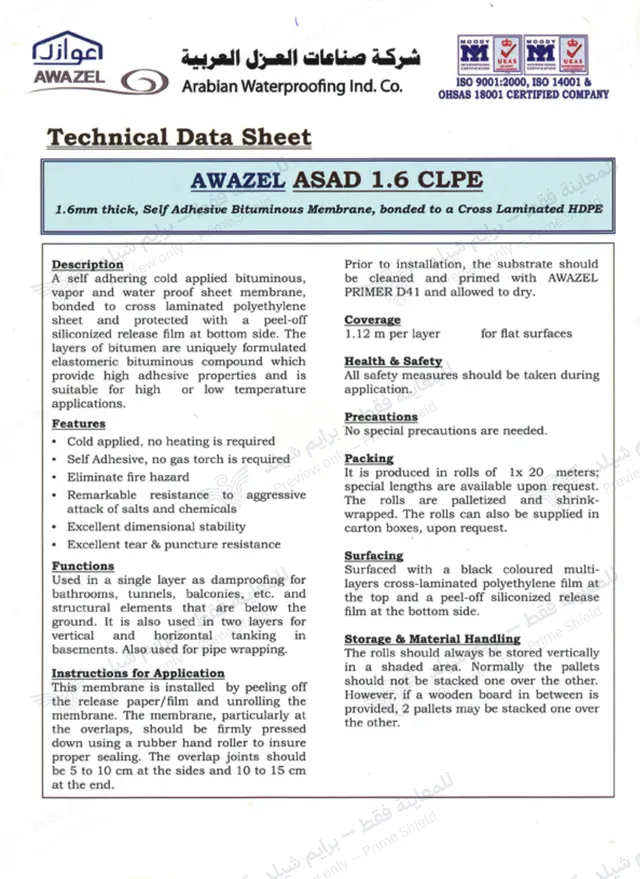
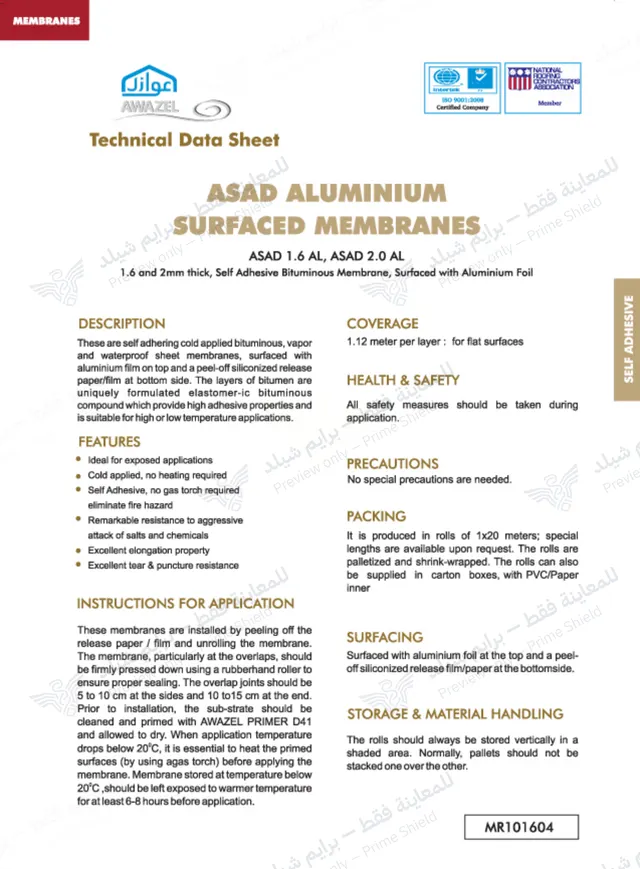
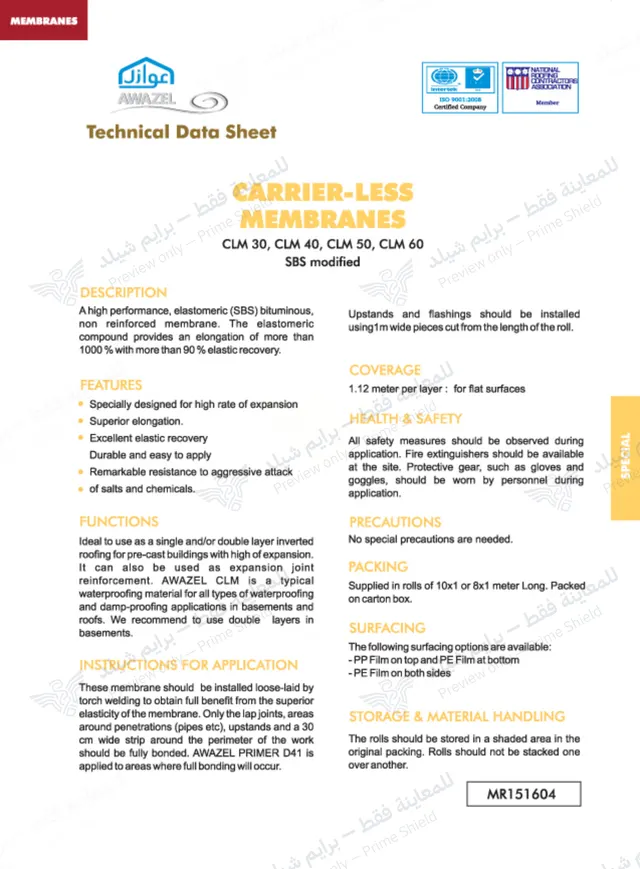
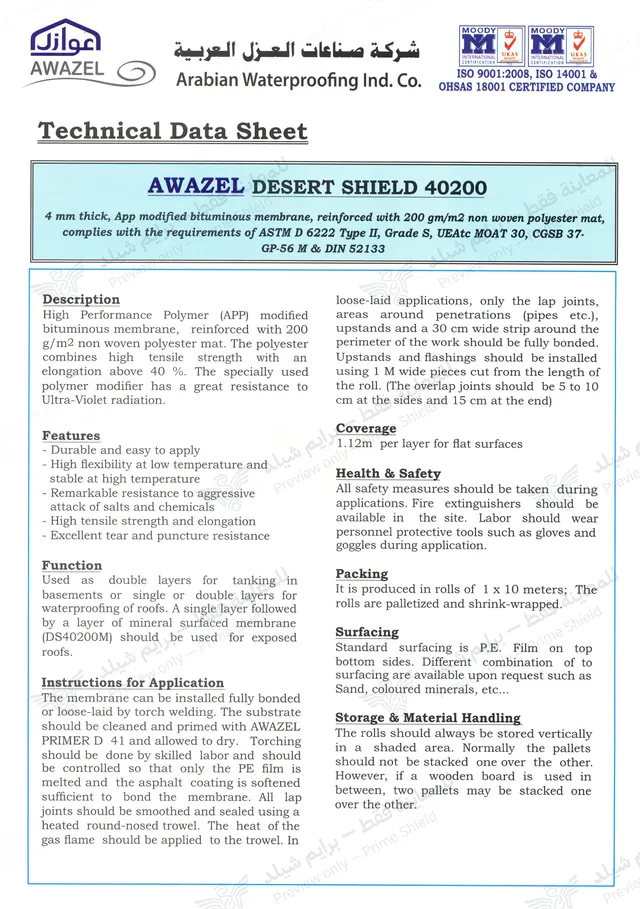
Bituminous membranes are rolls of polymer-modified bitumen reinforced with a polyester or glass-fibre carrier. They are laid on a primed surface, torch-bonded, and their overlapping laps are fused into one continuous watertight layer.
The modifier sets the behaviour: SBS (an elastomer) gives more flexibility and tolerance to movement; APP (a plastomer) copes better with heat. Systems are single- or two-layer as specified, and usually need a protection layer above.
SBS · APP
- Family
- Sheet membranes
- Build-up
- 4 layers
Where it fits — and where it does not
A good fit for
- Roofs covered by a protection layer: tiles, a screed or an inverted roof
- Basement walls and slabs from the outer (positive) side, before backfilling
- Foundations and retaining walls
- Planters, under the drainage and protection layers
Not a fit, or needs a check
- Internal (negative-side) waterproofing against water pressure: the membrane works on the water side
- Places where an open flame is not allowed or not safe
- Small areas crowded with penetrations, where a liquid membrane details more easily
- Exposed roofs without a cap sheet made for exposure (mineral-surfaced)
Advantages and limitations
Every system has strengths and limits; the right choice starts from the site conditions.
Advantages
- Thickness controlled in the factory
- The carrier gives tensile and puncture resistance
- An established method, familiar to consultants and crews
- Two-layer systems add redundancy at the laps
Limitations
- Torch application carries a fire risk and needs hot-work permits and supervision
- Laps and details depend on workmanship
- Needs a dry substrate and protection from damage before it is covered
- Harder than a liquid membrane around crowded penetrations
System build-up
Top to bottom. Final thicknesses and materials follow the approved specification and the product TDS.
System build-up4 layers
Bituminous membranes (SBS & APP)
Select a layer to see what it does.
Protection layer
A protection board, tiles or a screed that keeps the membrane from damage during backfilling, finishing or traffic.
Modified-bitumen membraneCore layer
The watertight layer, torch-bonded with overlapping laps. SBS is more flexible; APP copes better with heat.
Single- or two-layer, as specified.
Bitumen primer
Binds surface dust and improves the bond of the rolls to the concrete.
Concrete substrate
Sound, clean and dry, with fillets formed at internal corners before application.
Preparation and application
Surface preparation
- Sound, clean, dry concrete; laitance, curing residues and sharp projections removed
- Honeycombing and cracks repaired; tie holes filled
- Fillets formed at internal corners; external edges rounded
- Falls to the drains checked on roofs before waterproofing
- Bitumen primer applied and left to dry fully
Application sequence
Primer
Brushed or rolled at the rate the TDS states, then left to dry.
Details first
Corners, drains, upstands and penetrations are reinforced with strips before the field sheets.
Laying and torching
Rolls are aligned, then heated and rolled out so the bitumen bonds fully.
Laps
Side and end laps are fused until a continuous bead of bitumen shows; second-layer laps are staggered.
Upstands and terminations
Turned up the parapet or wall to the specified height, then fixed and sealed at the top.
Testing and protection
A flood test where applicable, then the protection board or screed without delay.
General educational content; final values and requirements follow the manufacturer’s TDS and the approved project specification.
Checks and common mistakes
Quality checks
- Substrate dryness and primer coverage checked before torching
- Every lap probed along its length; no open edges
- Lap widths and stagger as specified
- Flood test of roofs and planters, recorded (ASTM D5957 is the usual guide)
- Protection in place before backfilling or tiling
Common mistakes
- Torching onto a damp or dusty surface: blisters and a poor bond
- Under-heated laps that look closed but are not fused
- No fillet at corners: the sheet bridges and tears
- Backfilling or casting without a protection layer
- Upstands too low, or terminations left loose
Common questions
SBS or APP?
SBS where flexibility and movement matter; APP where heat exposure is higher. The specification and the site decide.
Can the membrane stay exposed?
Only with a cap sheet made for exposure (mineral-surfaced); most systems are covered by a protection layer.
One layer or two?
The specification and the risk decide; two layers add redundancy in critical places such as basements.
What does “membrane” (ممبرين) mean in waterproofing?
In the Saudi market “membrane” usually means the SBS or APP modified-bitumen rolls that are torch-bonded with overlapping laps; the word is also used for any waterproofing sheet.
Manufacturers
Our documented relationship with each manufacturer; the specification sets the product.
- Bitumat / MAPEIApproved applicator · Materials we have used
- DermabitApproved applicator · Materials we have used
- AIM IndustriesApproved applicator · Sister company · Materials we have used
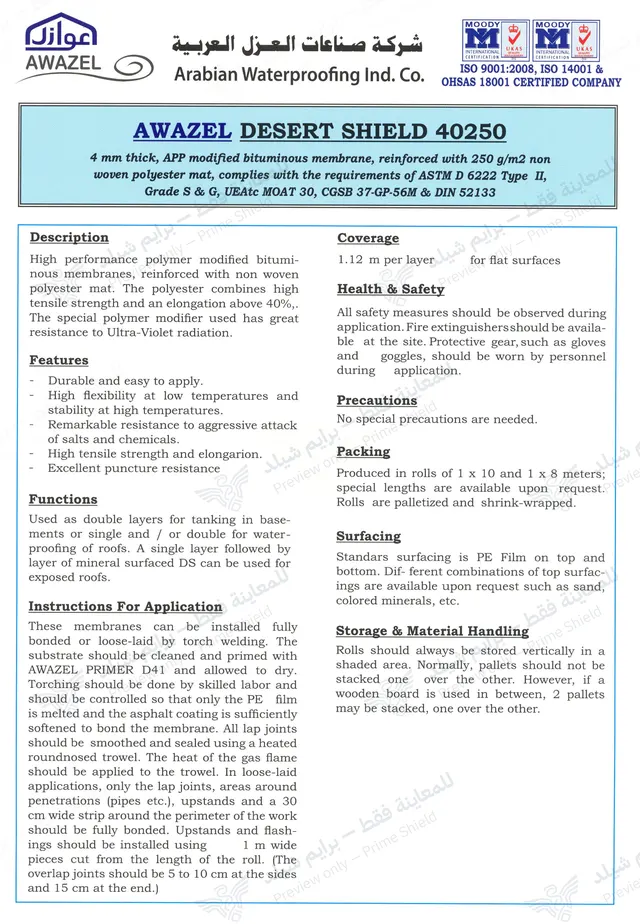
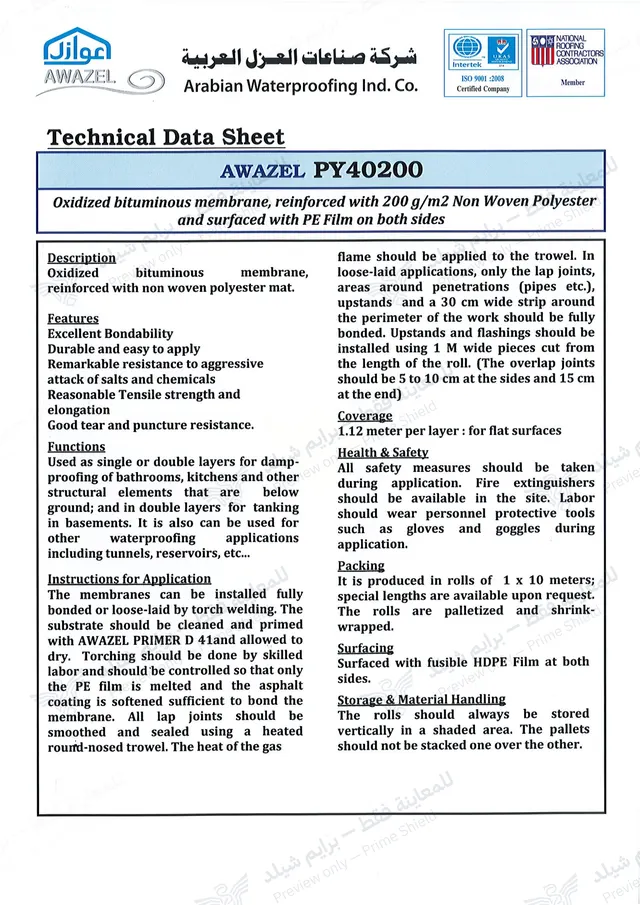
Technical data for this system
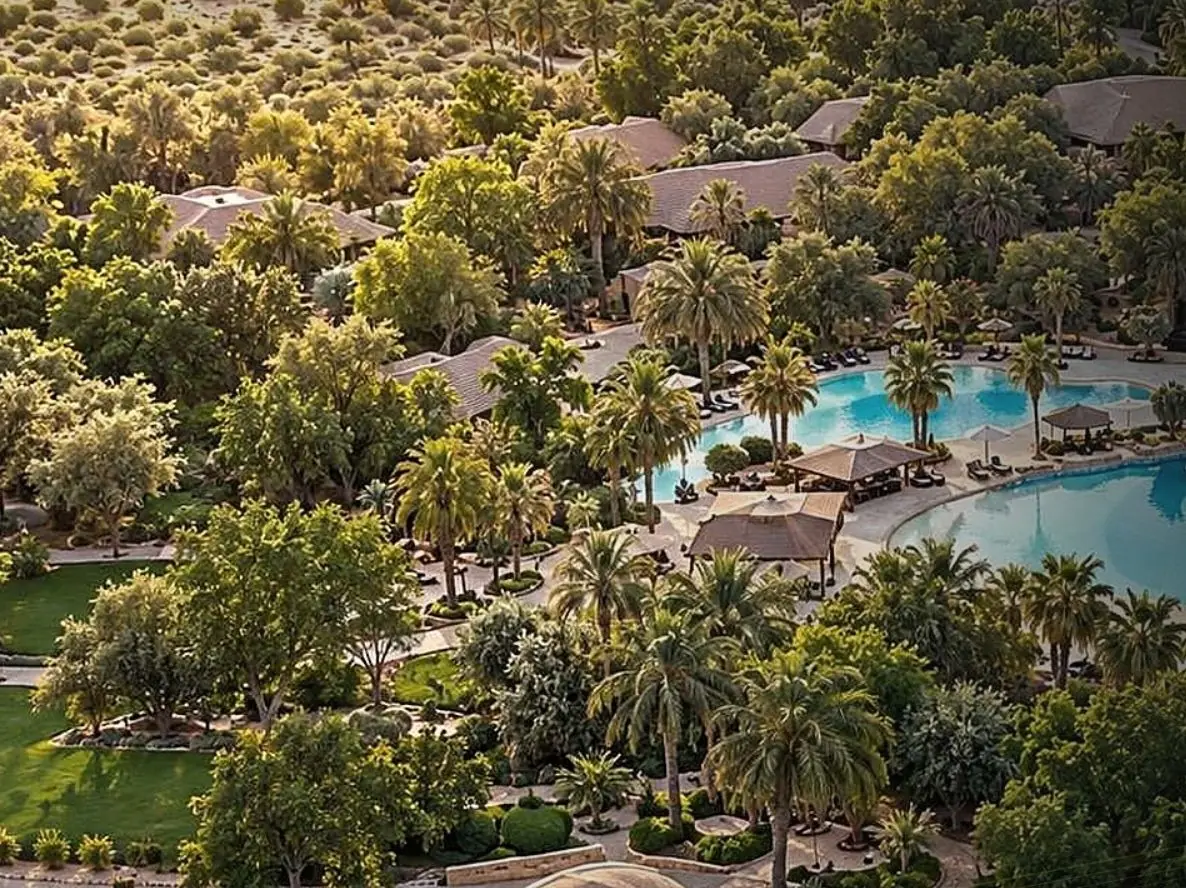
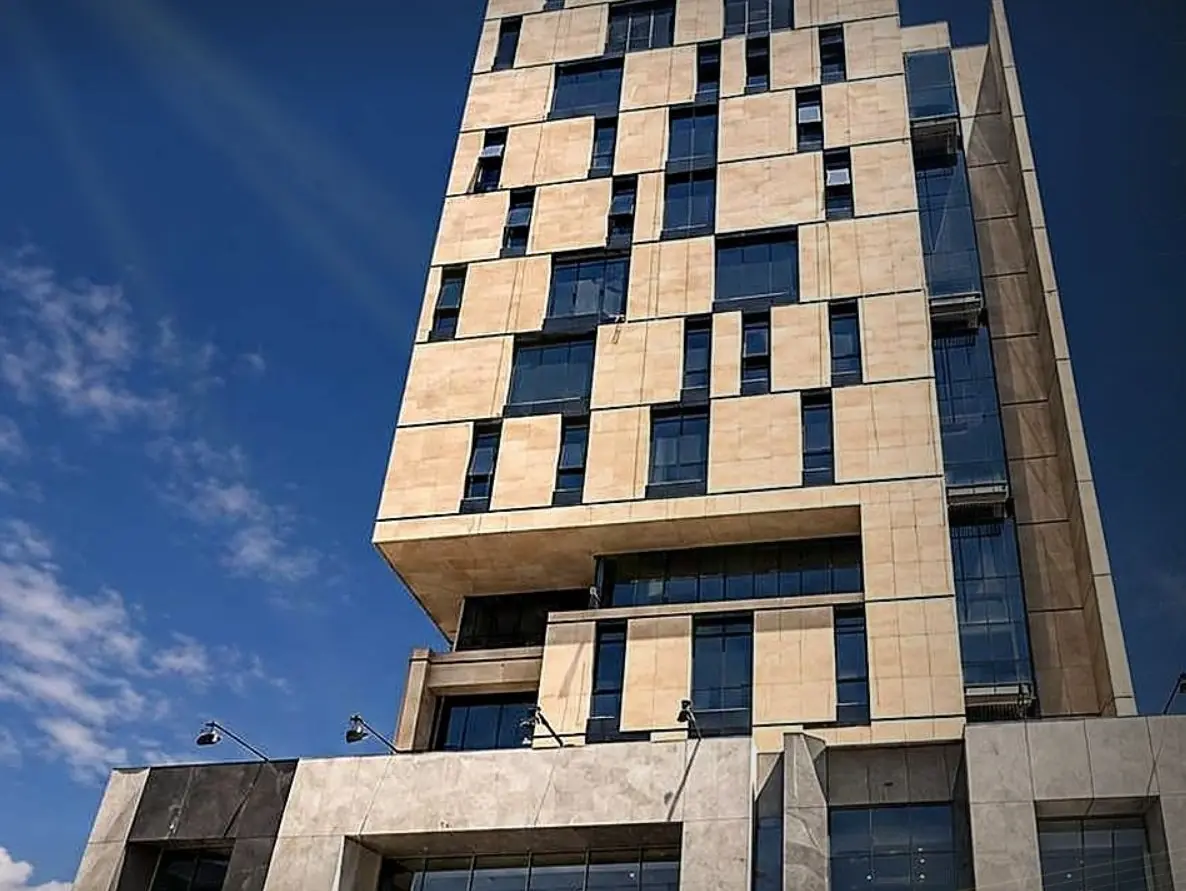
Projects where it was applied or is contracted
Next step
Considering this system for your project?
Send drawings or site photos; our engineers review the case and propose the right specification.