


▽ +09.00Concrete repair & protection
Anti-carbonation coatings
A coating that restricts carbon dioxide entering concrete, slowing carbonation and rebar corrosion.

What it is and how it works
Carbonation is the reaction of atmospheric CO₂ with the alkalinity of concrete. It lowers the alkalinity from the surface inwards; when it reaches the reinforcement, the steel loses its passive layer and can corrode.
Anti-carbonation coatings are elastomeric or rigid films that limit the ingress of CO₂ and water while letting water vapour out, applied to new concrete or after repairs.
- Family
- Concrete repair & protection
- Build-up
- 5 layers
Where it fits — and where it does not
A good fit for
- Exposed concrete facades and frames
- Basement soffits and car parks
- Bridges and infrastructure concrete
- The whole element after concrete repair
Not a fit, or needs a check
- Wet surfaces or concrete with rising damp
- Surfaces with active leaks: fix them first
- Trafficked floors: use flooring systems
Advantages and limitations
Every system has strengths and limits; the right choice starts from the site conditions.
Advantages
- Slows carbonation and protects the steel
- Breathable: vapour can escape
- Elastomeric grades bridge fine cracks
- A uniform appearance after repairs
Limitations
- Does not reverse existing corrosion
- Needs renewal over time
- Preparation and fairing coats add steps
System build-up
Top to bottom. Final thicknesses and materials follow the approved specification and the product TDS.
System build-up5 layers
Anti-carbonation coatings
Select a layer to see what it does.
Second coatCore layer
Completes the specified dry-film thickness and evens the colour.
First coatCore layer
A film that restricts carbon dioxide while letting water vapour out.
Primer or sealer
Where the system or the porosity of the surface requires it.
Per system
Fairing coat
Fills blowholes and surface voids before coating.
Where needed
Concrete and reinforcement
A clean, sound surface after any repairs.
Preparation and application
Surface preparation
- Repairs completed and cured
- A clean surface: dirt, efflorescence and loose paint removed
- Blowholes filled with a fairing coat
- A dry surface within the TDS limits
Application sequence
Cleaning
Water-jet or mechanical cleaning.
Fairing
Pinholes and blowholes filled.
Primer or sealer
Where the system requires.
First coat
By roller or spray.
Second coat
To the specified total thickness.
General educational content; final values and requirements follow the manufacturer’s TDS and the approved project specification.
Checks and common mistakes
Quality checks
- Carbonation depth tested with phenolphthalein where needed
- Coverage rate and wet-film checks
- Uniform colour with no misses
- Adhesion check where specified
Common mistakes
- Coating over unrepaired spalls
- A single thin coat
- Applying on damp concrete
- Missing edges and corners
Common questions
How do I know the concrete is carbonated?
Spray phenolphthalein on a fresh break: carbonated concrete stays colourless; alkaline concrete turns pink.
Is it just paint?
No: it is formulated to limit CO₂ and water ingress at a designed film thickness.
Where is anti-carbonation coating used?
On exposed concrete — facades, columns, beams, car parks and open structures — and often after concrete repairs, to protect the reinforcement from carbonation.
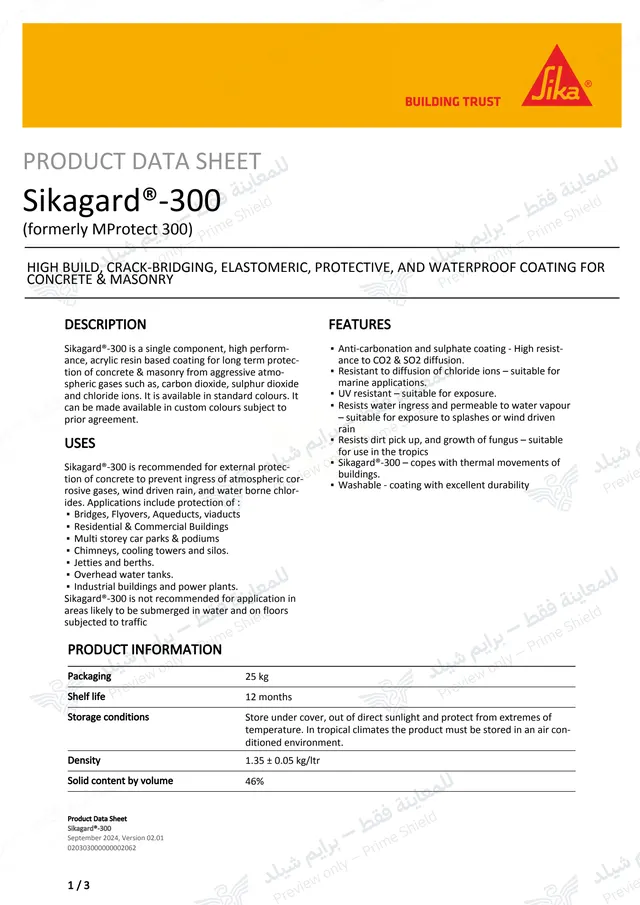
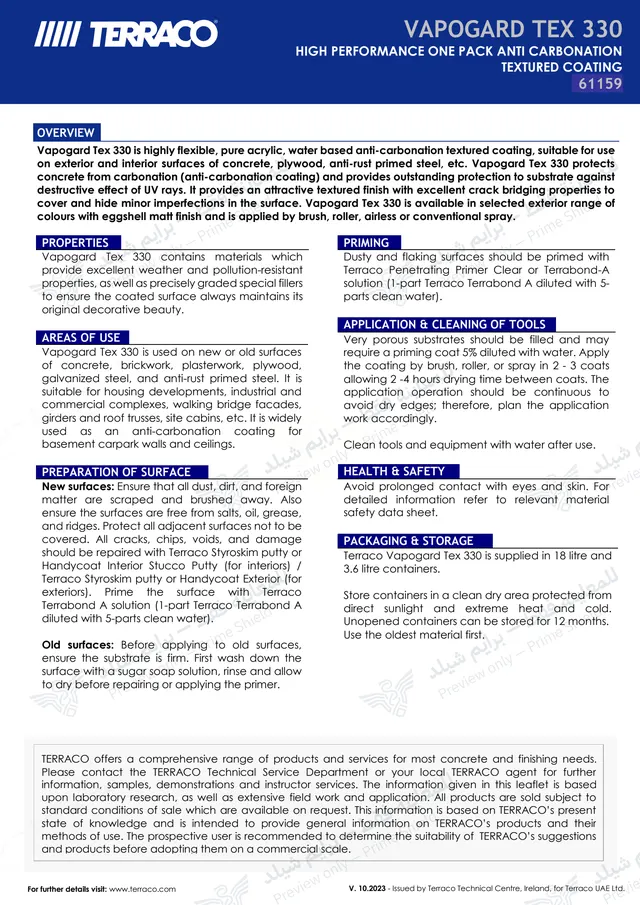
Technical data for this system
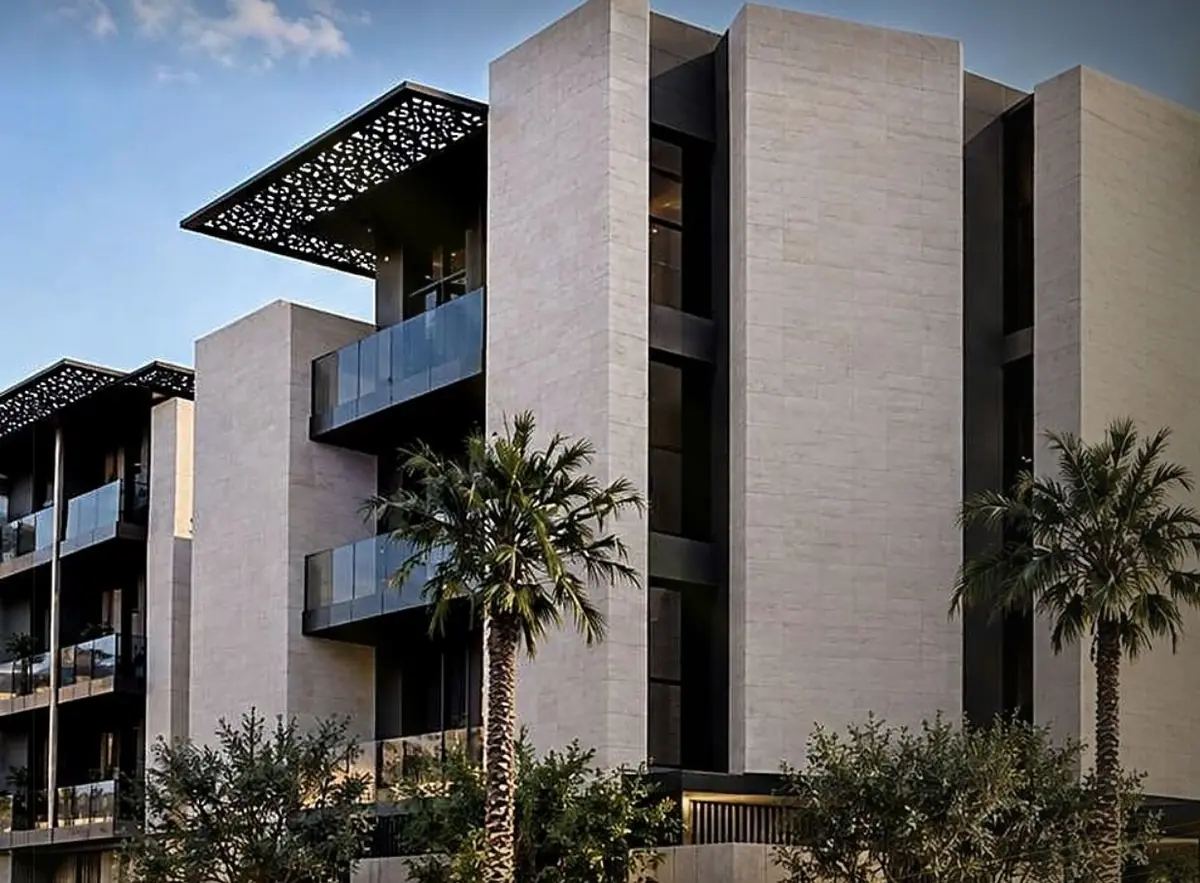
Projects where it was applied
Next step
Considering this system for your project?
Send drawings or site photos; our engineers review the case and propose the right specification.