


▽ +09.00Joint systems
Expansion joint systems
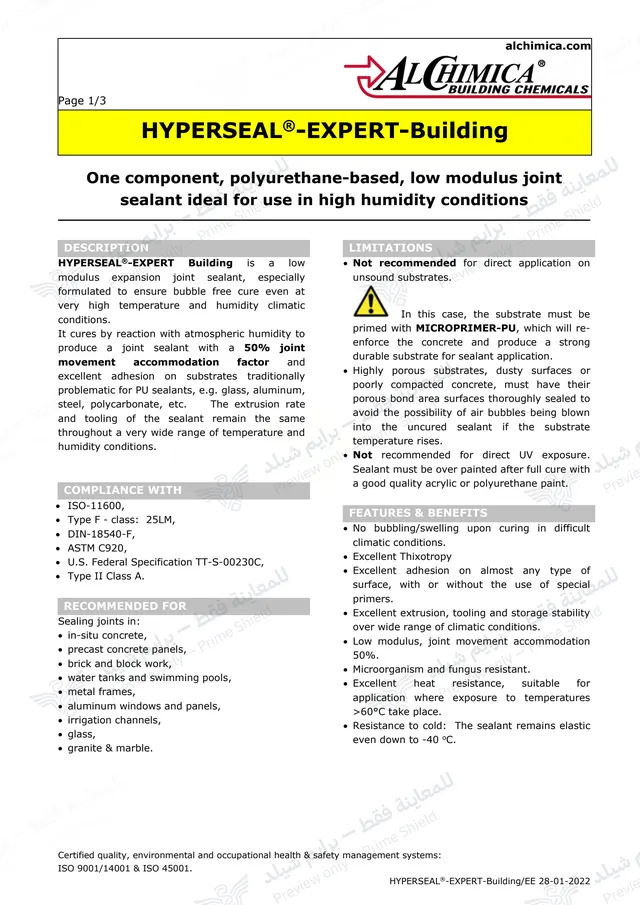
Elastomeric sealants, tapes and cover profiles that let the building move while keeping the joint watertight.

What it is and how it works
An expansion joint is a deliberate gap that lets parts of a structure expand, contract and move without cracking. Its treatment usually combines an elastomeric sealant over a backer rod, a flexible waterproofing tape across the joint and a cover or profile that protects it from traffic and loads.
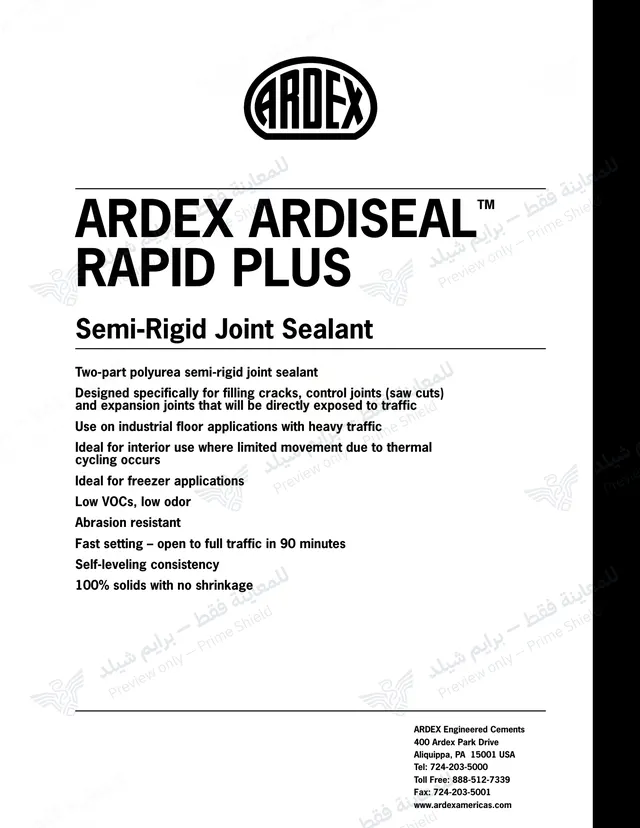
Materials follow the joint’s design movement and location: polyurethane or polysulfide sealants where water or fuel exposure is expected, flexible tapes where watertightness is needed, metal or rubber profiles in car parks and walkways.
- Family
- Joint systems
- Build-up
- 5 layers
- Elastomeric sealant
- Backer rod
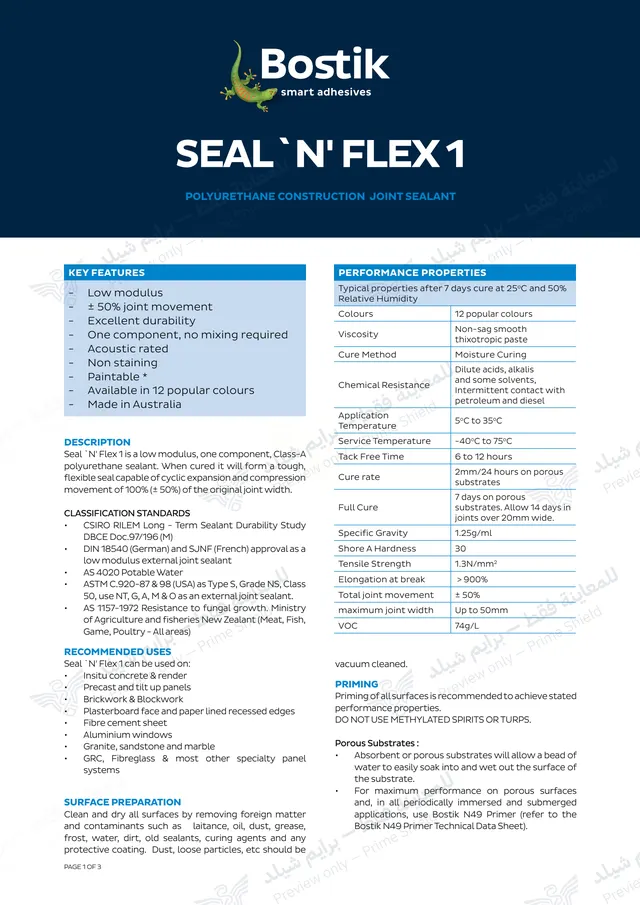
- Joint waterproofing tape
Where it fits — and where it does not
A good fit for
- Expansion joints in roofs and podiums
- Car-park decks and ramps
- Floors, walls and facades of large buildings
- Joints between old and new structures
Not a fit, or needs a check
- Filling joints with rigid materials such as mortar or epoxy
- A sealant used beyond its movement capability
- Covering the joint with tiles or screed without a matching joint
Advantages and limitations
Every system has strengths and limits; the right choice starts from the site conditions.
Advantages
- Lets the structure move without leaking
- Replaceable components: sealant, tape and cover
- Protects the joint edges from traffic damage
Limitations
- Sealants age and need inspection and renewal
- Intersections and upstands are demanding to detail
- Wrong joint geometry shortens the sealant’s life
System build-up
Top to bottom. Final thicknesses and materials follow the approved specification and the product TDS.
System build-up5 layers
Expansion joint systems
Select a layer to see what it does.
Cover plate or profile
In floors and car parks that carry vehicles and people.
Where trafficked
Elastomeric sealantCore layer
Placed to a designed width and depth, bonded to the two joint faces only.
Backer rod
Sets the sealant depth and stops it bonding to the joint bottom.
Joint waterproofing tapeCore layer
Bonded either side with a loop that allows movement, and tied into the surrounding waterproofing.
Concrete either side
Sound, clean and dry edges.
Preparation and application
Surface preparation
- Joint width and design movement confirmed
- Clean, sound edges; spalls repaired
- Old sealant and debris removed
- Dry faces, primed where the sealant requires
Application sequence
Edge repair
Broken arrises rebuilt with repair mortar.
Backer rod
A closed-cell rod set to the right depth to control the sealant shape.
Primer and sealant
Primer on the faces, then the sealant gunned and tooled.
Waterproofing tape
A flexible tape bonded across the joint with a movement loop where specified.
Cover or profile
Fixed on one side so the joint can move.
General educational content; final values and requirements follow the manufacturer’s TDS and the approved project specification.
Checks and common mistakes
Quality checks
- Joint width-to-depth ratio per the sealant TDS
- Adhesion checked by pulling a sample length
- Tape continuity at laps and intersections
- Water test of roof and podium joints
Common mistakes
- Sealant bonded to the joint bottom (three-sided adhesion): it tears
- Covers fixed on both sides: no movement
- Sealant on dusty or damp faces
- Ignoring the joints when tiling over them
Common questions
When should joint sealants be checked?
Periodically and after harsh seasons; renew them as the manufacturer recommends and their condition shows.
Can a leaking expansion joint be injected?
Rigid injection would lock a joint designed to move; the usual fix is to renew the joint system. Any injection must use a flexible resin designed for it.
Which material suits expansion joints in floors and roofs?
An elastomeric sealant (polyurethane or polysulphide) over a backer rod and primer, at the width-to-depth ratio in the data sheet — or a cover profile or joint tape where the movement or the traffic is heavy.
Manufacturers
Our documented relationship with each manufacturer; the specification sets the product.
- Fosroc (Saint-Gobain)Approved applicator · Materials we have used




Next step
Considering this system for your project?
Send drawings or site photos; our engineers review the case and propose the right specification.