


▽ +09.00Flooring
Epoxy flooring
Roller-applied or self-levelling epoxy floors: seamless and easy to clean, for factories, warehouses and facilities.

What it is and how it works
Epoxy flooring is resin layers applied to a mechanically prepared concrete slab, forming a continuous, hard, easy-to-clean surface that resists abrasion, oils and many chemicals.
Systems range from thin roller coats to self-levelling and sand-broadcast systems for heavy wear and slip resistance; the choice follows traffic, chemicals and the cleanliness required.
- Family
- Flooring
- Build-up
- 4 layers
Where it fits — and where it does not
A good fit for
- Factories and warehouses
- Showrooms, service centres and commercial facilities
- Plant rooms and technical areas
- Laboratories and clean areas, with self-levelling systems
Not a fit, or needs a check
- Slabs with rising moisture or no vapour barrier, unless a moisture-tolerant system is used
- Outdoor areas in the sun: epoxy yellows and chalks
- Slabs with moving cracks or no joint planning
- Food-processing floors that need specialist hygienic systems
Advantages and limitations
Every system has strengths and limits; the right choice starts from the site conditions.
Advantages
- Seamless and easy to clean
- Abrasion and chemical resistance
- Colours, markings and anti-slip textures
Limitations
- Moisture in the slab causes blisters or debonding
- UV causes yellowing: indoors, or with a UV-resistant top coat
- Can be slippery when wet without texture
System build-up
Top to bottom. Final thicknesses and materials follow the approved specification and the product TDS.
System build-up4 layers
Epoxy flooring
Select a layer to see what it does.
Top coat
Sets the gloss, slip resistance and cleanability.
Per system
Epoxy body coatCore layer
Roller-applied for thin coatings, or self-levelling for a thicker, smoother floor.
Primer
Penetrates and consolidates the concrete; may be followed by a scratch coat.
Prepared slab
Ground or shot-blasted, clean, and with moisture within the product limit.
Preparation and application
Surface preparation
- Slab moisture tested (e.g. ASTM F2170 or ASTM D4263)
- Mechanical preparation by grinding or shot-blasting
- Cracks, joints and holes repaired
- All dust removed
Application sequence
Primer
A penetrating epoxy primer, sometimes sand-broadcast.
Repairs and scratch coat
Filling and levelling where needed.
Body coat
A roller coat, self-levelling or broadcast layer, per the system.
Top coat
The sealing coat in the chosen colour and texture.
Joints and markings
Joints re-cut and sealed; lines marked.
Curing
Protected until it can take traffic.
General educational content; final values and requirements follow the manufacturer’s TDS and the approved project specification.
Checks and common mistakes
Quality checks
- Moisture test record before the primer
- Surface profile accepted
- Thickness or consumption per area
- Visual check: no pinholes, bubbles or colour streaks
- Pull-off adhesion where specified (ASTM D7234)
Common mistakes
- Skipping the moisture test
- Acid etching or light sanding instead of proper preparation
- Wrong mix ratio or poor mixing: soft or sticky spots
- Coating over expansion joints
Common questions
How is peeling prevented when epoxy is installed?
With mechanical preparation that opens the surface and removes dust, a moisture check of the slab before starting and a suitable primer — most peeling comes from poor preparation or vapour pressure from the slab. See the problem page.
Can epoxy be used outdoors?
Standard epoxy yellows and chalks in the sun; outdoor areas need a UV-resistant system.
Can epoxy go over existing tiles?
Sometimes, if the tiles are well bonded and mechanically prepared with a suitable primer — but the grout lines may show through. Usually the tiles come off and the epoxy goes on the concrete after an adhesion check.
Is an epoxy floor slippery?
A smooth gloss finish can be slippery with water or oil, so anti-slip aggregate is added on ramps, wet areas and walkways, depending on the use.
Manufacturers
Our documented relationship with each manufacturer; the specification sets the product.
- Fosroc (Saint-Gobain)Approved applicator · Materials we have used
Technical data for this system
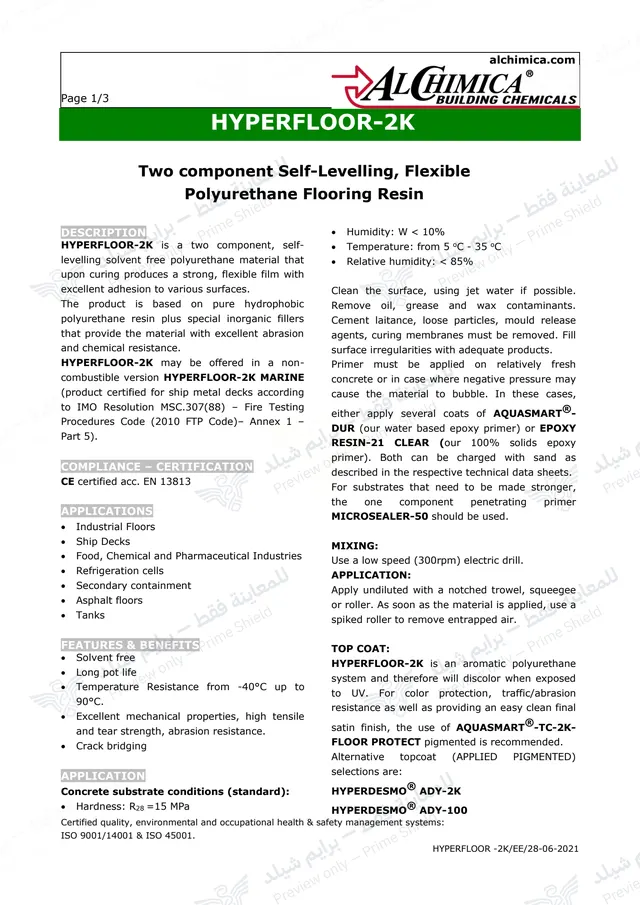

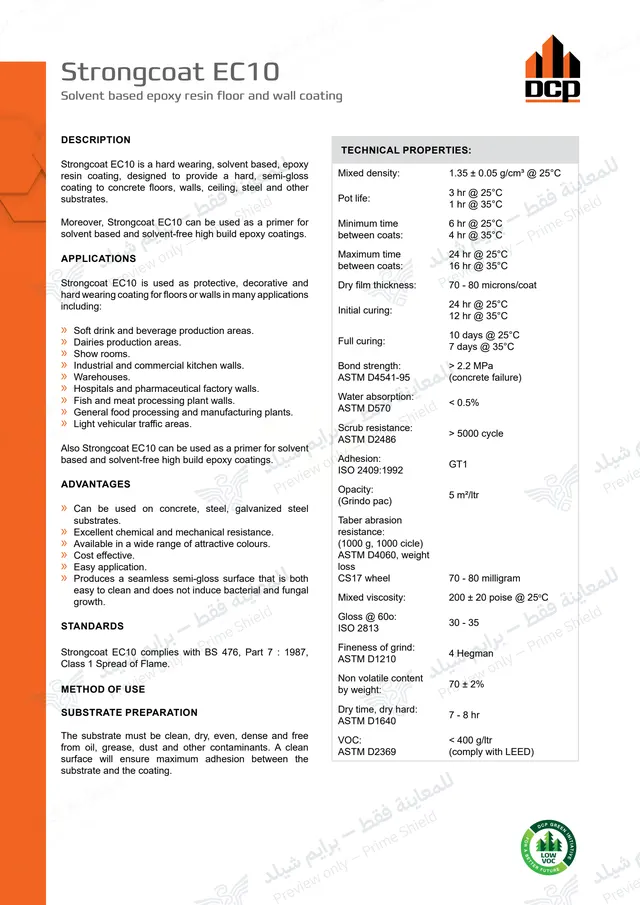
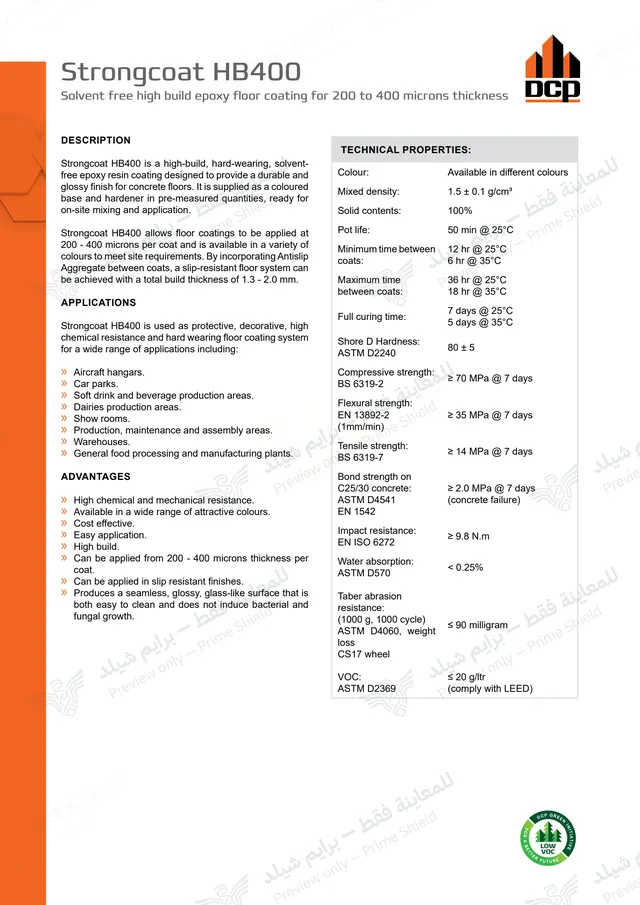
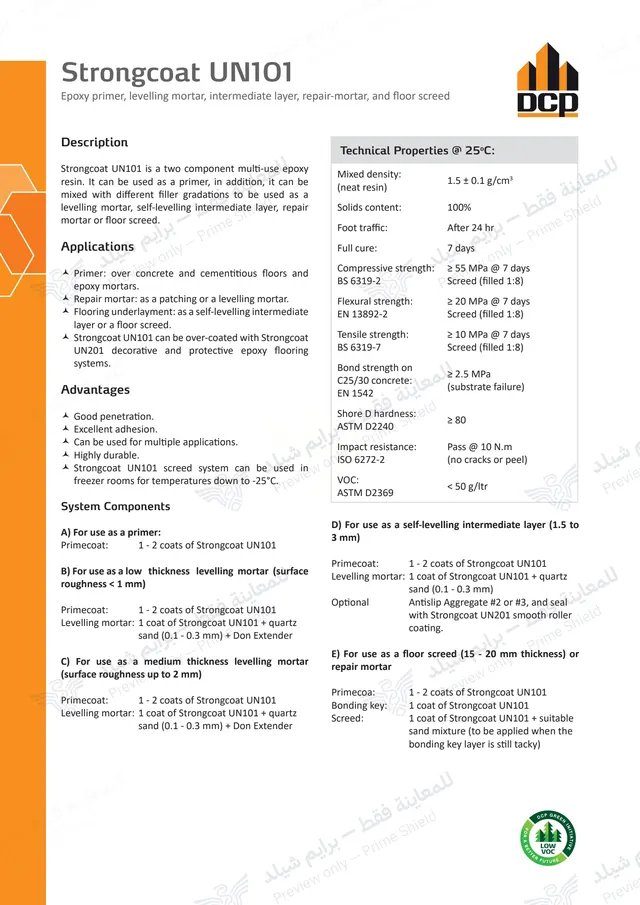

Projects where it was applied
 Hotel & resort
InterContinental Abha
Abha, Asir Region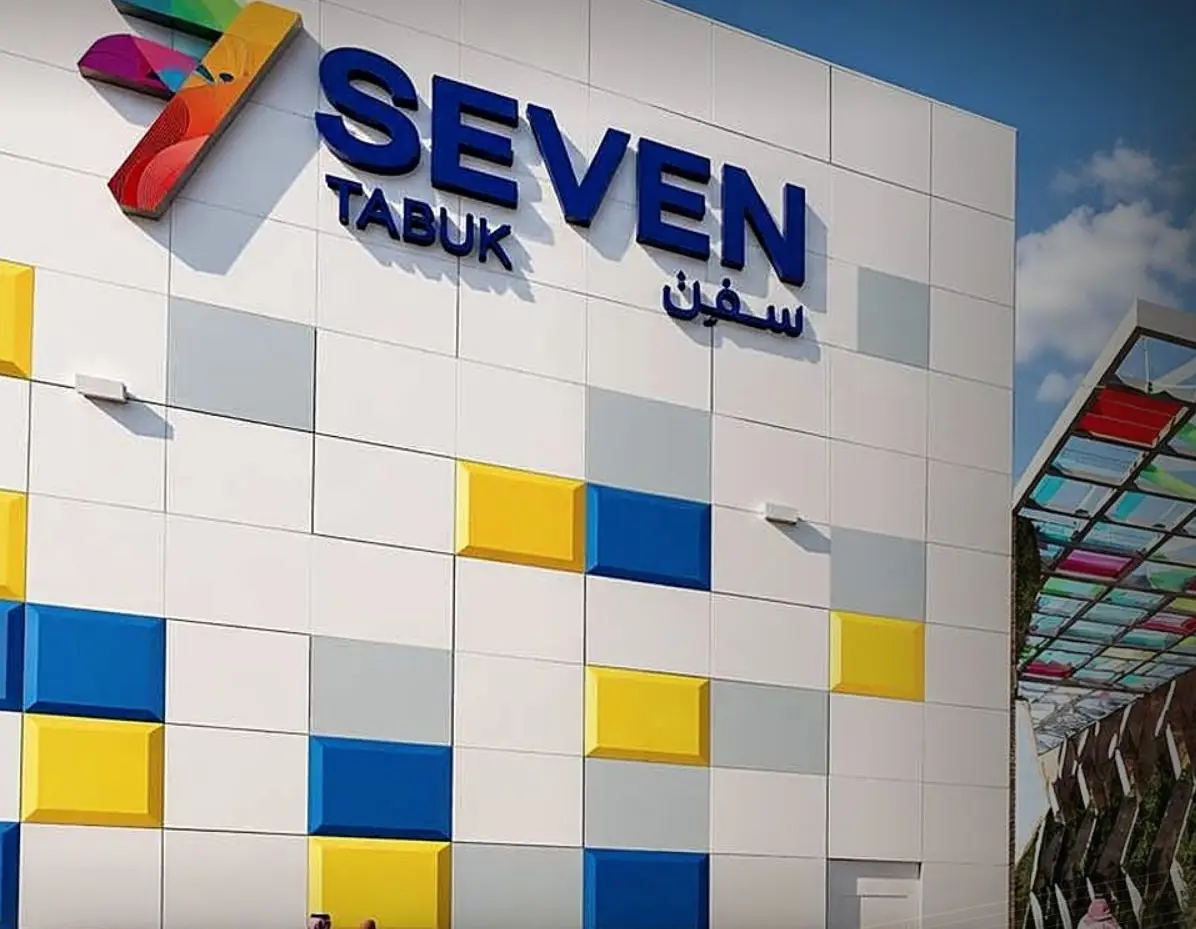 Entertainment & retail complex
SEVEN Tabuk
Tabuk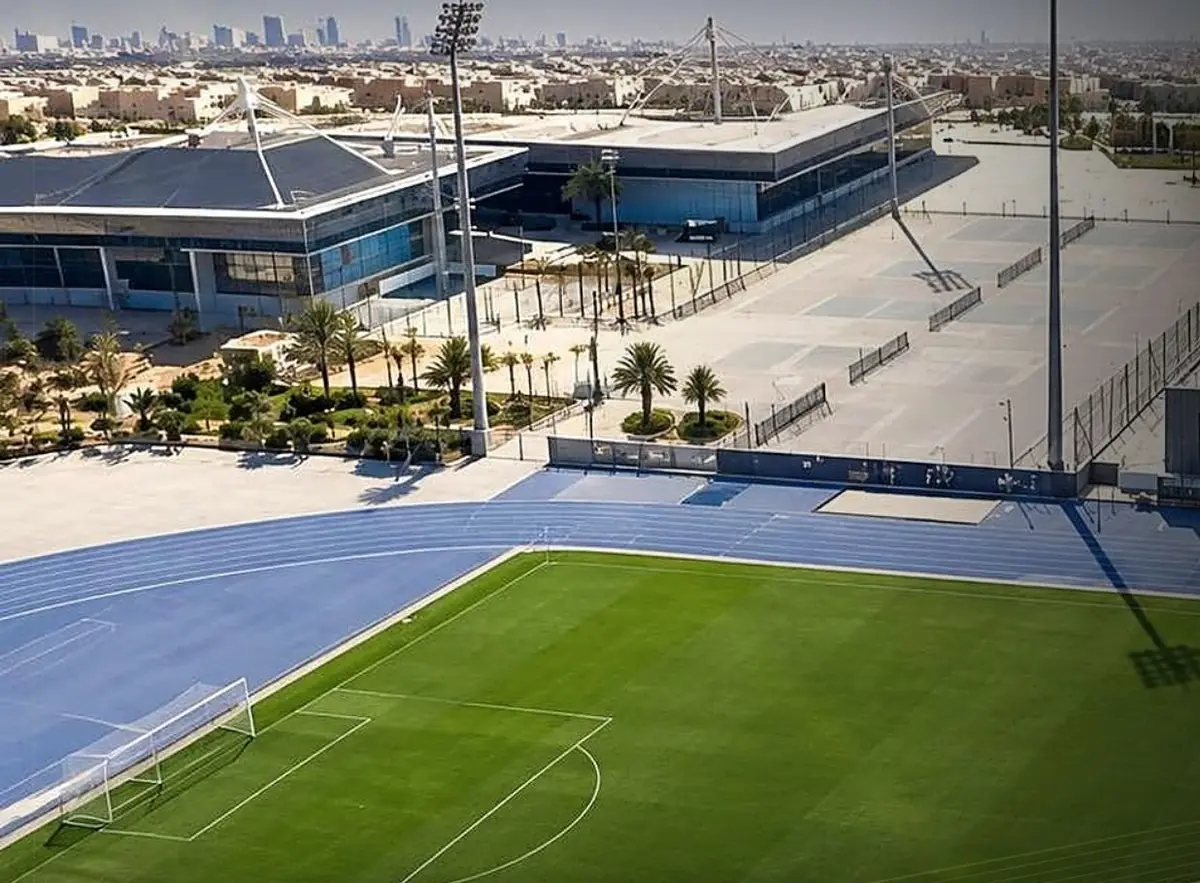 Sports academy
Mahd Sports Academy
Prince Faisal bin Fahd Olympic Complex, Riyadh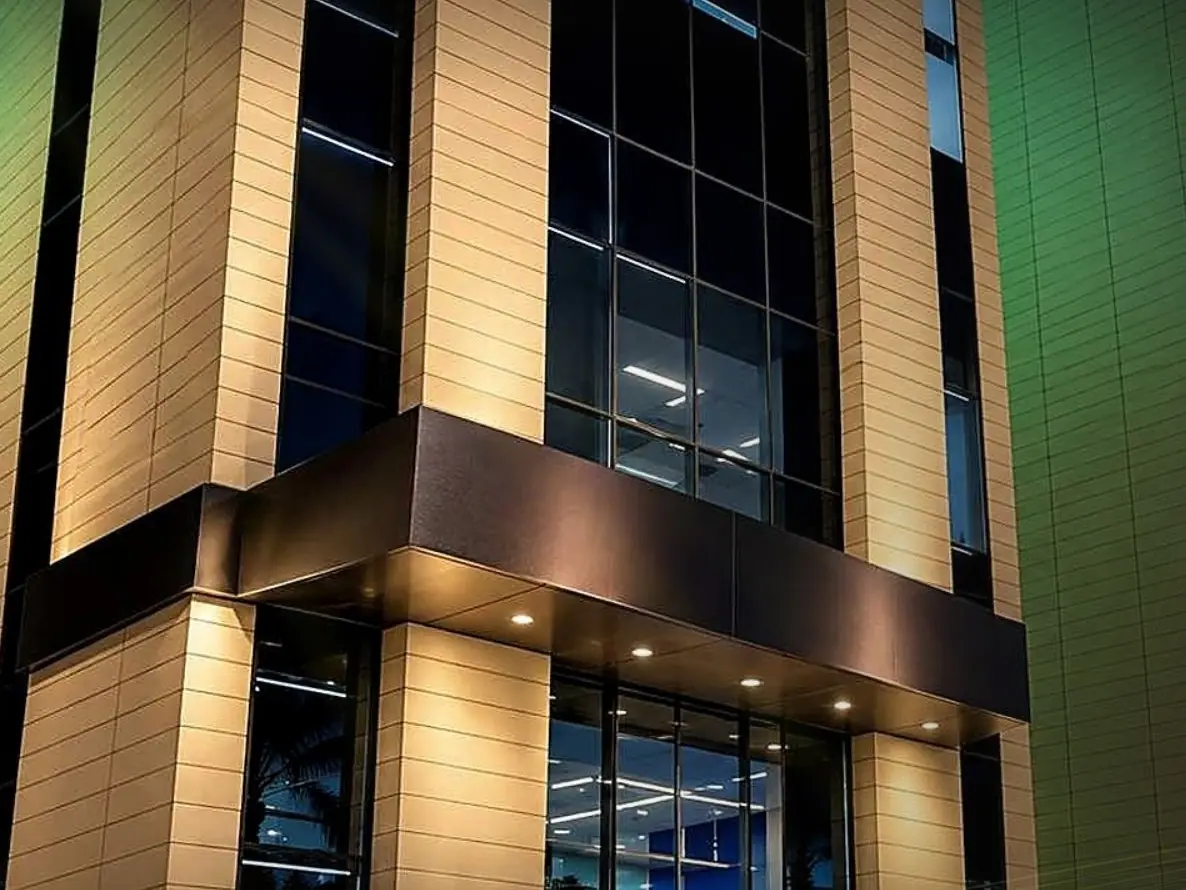 Headquarters
Al Rajhi Headquarters
Al-Ghadeer, Riyadh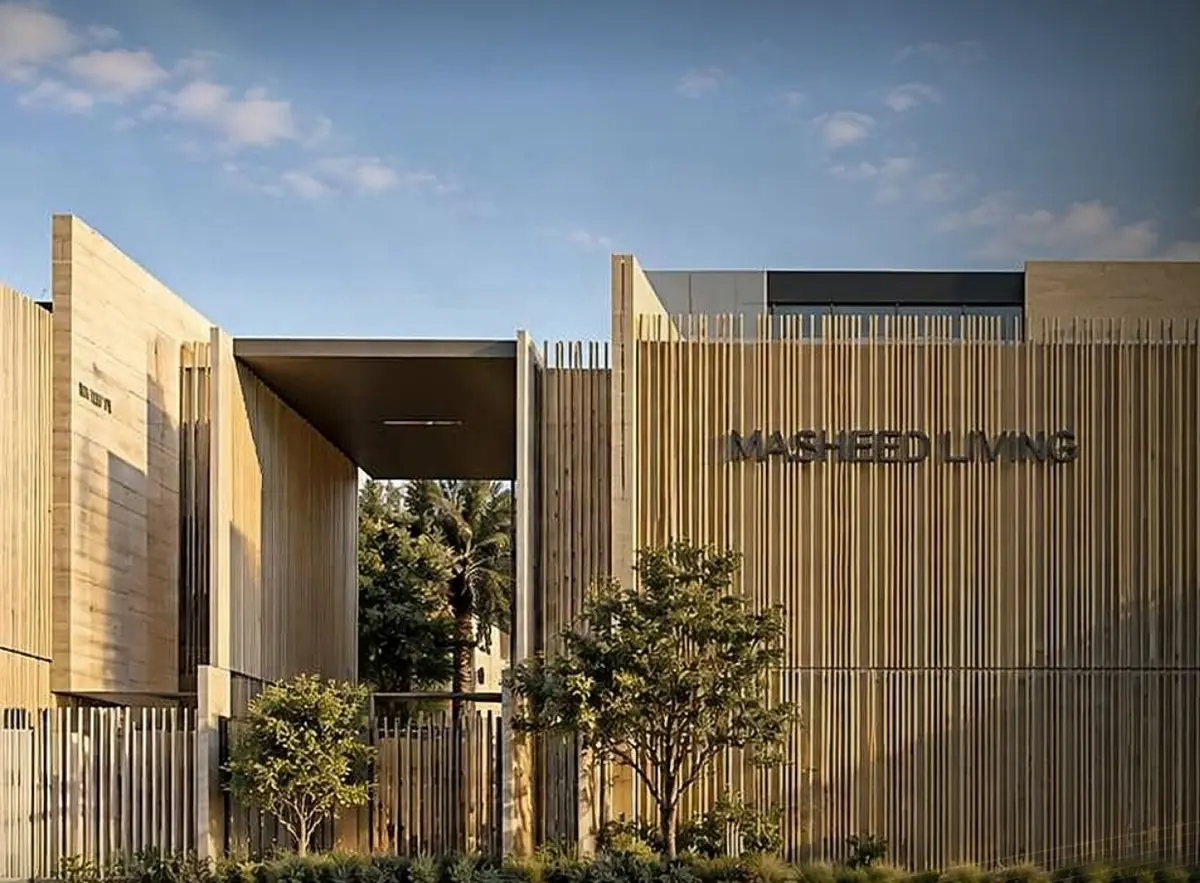
Masheed projects
Riyadh Region
Wahla projects
Al-Narjis and Dirab, Riyadh Region


Next step
Considering this system for your project?
Send drawings or site photos; our engineers review the case and propose the right specification.