


▽ EPDMSheet membranes
EPDM membranes
A flexible synthetic rubber in large sheets that copes with UV and movement, for exposed and garden roofs.
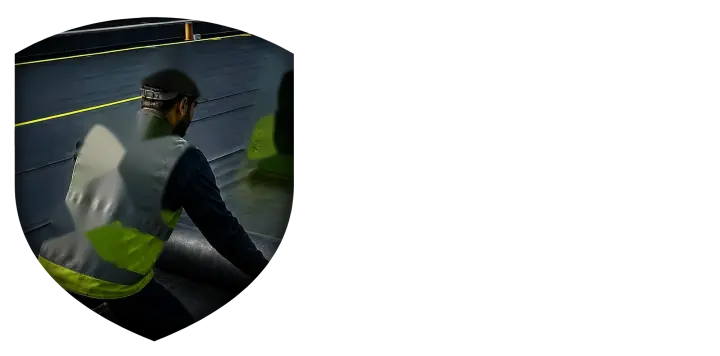

What it is and how it works
EPDM (ethylene propylene diene monomer) is a synthetic rubber supplied in large sheets. It stays flexible through temperature swings and resists UV and ozone.
Sheets are joined with dedicated seam tapes or adhesives rather than heat welding, and the membrane is fully adhered, ballasted or mechanically fixed. Large sheets mean fewer seams — the weak point of any membrane.
EPDM
- Family
- Sheet membranes
- Build-up
- 4 layers
Where it fits — and where it does not
A good fit for
- Exposed roofs with large plain areas
- Green roofs under drainage and soil, with root-resistant grades
- Planters and landscape areas
- Roofs subject to thermal movement
Not a fit, or needs a check
- Contact with oils, fuels and solvents: the rubber swells
- Constant foot or vehicle traffic without protection
- Sites where the seams cannot be kept clean and dry while jointing
Application pages
Advantages and limitations
Every system has strengths and limits; the right choice starts from the site conditions.
Advantages
- Very flexible; follows building movement
- Resists UV and ozone
- Large sheets, fewer seams
- No open flame
Limitations
- Seams rely on tapes, adhesives and clean surfaces
- Not resistant to oils and solvents
- A dark surface absorbs heat unless it is covered
- Repairs need compatible EPDM materials
System build-up
Top to bottom. Final thicknesses and materials follow the approved specification and the product TDS.
System build-up4 layers
EPDM membranes
Select a layer to see what it does.
Ballast or protection
Gravel, pavers or soil in ballasted and garden-roof build-ups.
Ballasted systems only
EPDM membraneCore layer
A flexible synthetic rubber in large sheets, joined with dedicated seam tapes or adhesives.
Protection fleece
Protects the sheet from a rough substrate.
Substrate (screed or insulation)
A clean, even surface laid to falls.
Preparation and application
Surface preparation
- A smooth, clean substrate with no sharp edges
- A protection fleece over rough concrete or insulation
- Falls checked and outlets ready
- Dry conditions for seaming and adhering
Application sequence
Protection fleece
Laid over the substrate with overlaps.
Sheet layout
Sheets unrolled with the fewest seams and left to relax.
Adhering or ballasting
Bonding adhesive, ballast or mechanical fixing as designed.
Seams
Seam areas cleaned and primed, then the tape is applied and rolled.
Details
Upstands, outlets and penetrations flashed with EPDM accessories.
Inspection and cover
Seams checked, then ballast, drainage layers or soil placed.
General educational content; final values and requirements follow the manufacturer’s TDS and the approved project specification.
Checks and common mistakes
Quality checks
- Seam surfaces cleaned and primed before taping
- Seams rolled and probed along their length
- Flashing terminations fixed and sealed
- Flood test where the design allows
Common mistakes
- Taping dusty or damp seams
- Stretching the sheet into corners instead of letting it relax
- Using oil-based or incompatible sealants
- Placing soil without a protection layer
Common questions
Is EPDM suitable under planted roofs?
Yes, with a root-resistant grade or a root barrier, plus drainage and protection layers.
How are EPDM seams made?
With seam tapes or adhesives on cleaned, primed laps — not by heat welding.
PVC or EPDM — which suits a roof better?
Both suit exposed roofs. PVC offers heat-welded seams and a light colour that reflects heat; EPDM offers high flexibility and large sheets with fewer seams. The choice depends on the roof’s shape, its use and the specification.
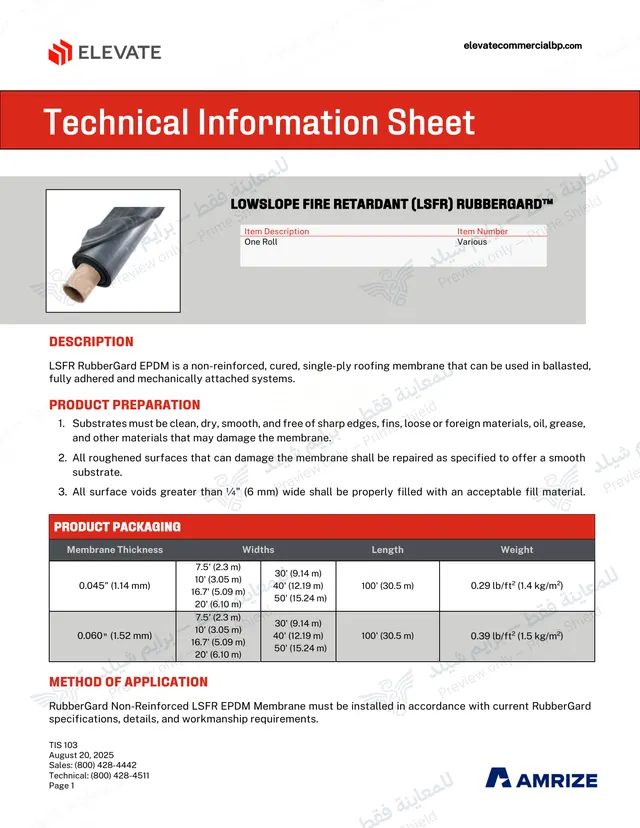
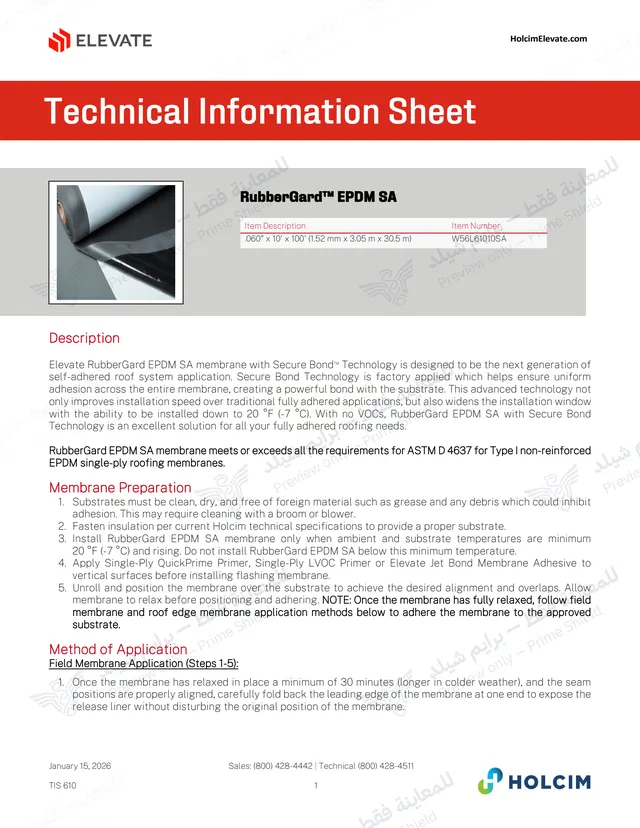
Technical data for this system
Next step
Considering this system for your project?
Send drawings or site photos; our engineers review the case and propose the right specification.