


▽ +09.00Waterproofing · Joints & penetrations
Joints & penetrations
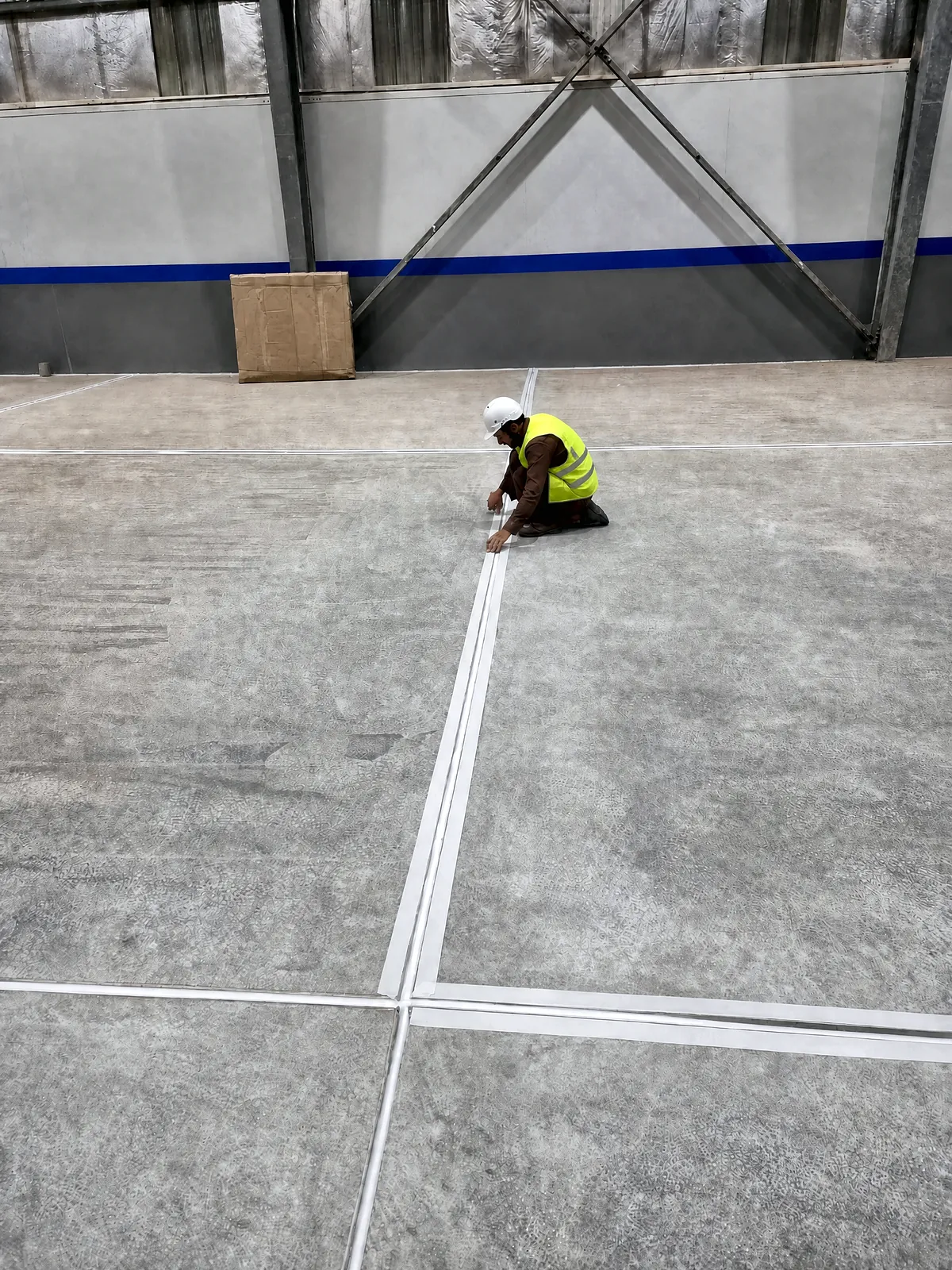
Most leaks start at a joint or a penetration, not in the middle of a surface. Each kind of movement and each penetration has its detail.

Engineering view
What is joint and penetration waterproofing?
Buildings move: they expand and contract with heat, settle, and their separate parts move relative to each other. A joint is the place designed to take that movement; treated with a rigid material, or coated over as if it were a plain surface, it cracks and becomes a water path.
Every penetration — a pipe, a drain, a base — has its own detail tying it into the waterproofing. This page covers joints and penetrations across all applications; the expansion-joint system has its own technical page.
Problems it solves
What goes wrong
Leaking expansion joints
Sealant torn, debonded or hardened; water runs along the joint.
Seepage at pour joints
A pour joint left untreated during construction becomes a seepage line.
Leaks around penetrations
Pipes, sleeves and drains not tied into the waterproofing.
Diagnose by symptom
From the system’s documented advantages
Key benefits
Lets the structure move without leaking
Replaceable components: sealant, tape and cover
Protects the joint edges from traffic damage
Documented advantages of Expansion joint systems — every system also has limits, listed on its page.
Applications
Where it applies
- J.01
Expansion joints
Joints separating parts of the structure, taking large movement: elastomeric sealant, tape or profile.
- J.02
Construction joints
Where a pour stops and restarts: treated during construction, and by injection later.
- J.03
Structural joints
Settlement and separation joints between blocks.
- J.04
Movement joints
In floors and finishes, taking small repeated movement.
- J.05
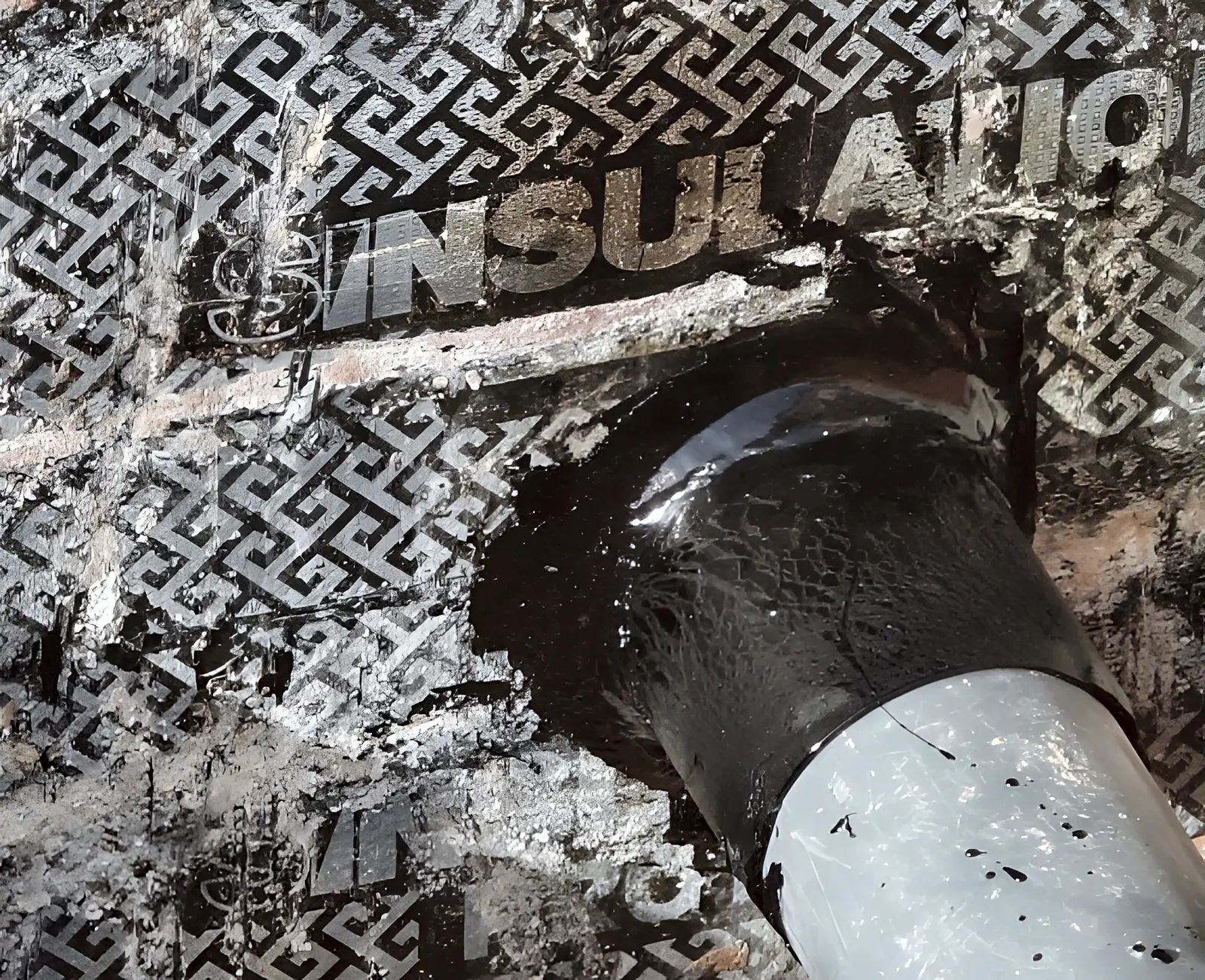
Pipe penetrations
Sleeves, collars and reinforcement tying the pipe into the waterproofing.
- J.06
Floor drains
Drains with clamping rings that bond the membrane to the drain body.
By technology
Available systems
- InjectionCrack injection (epoxy & PU)Resin injected into cracks: epoxy to re-bond, or polyurethane to stop water.
- Joint systemsExpansion joint systemsElastomeric sealants, tapes and cover profiles that let the building move while keeping the joint watertight.

How the system is chosen
| Situation | Suitable systems | Why |
|---|---|---|
| An expansion joint in a roof, deck or wall | Expansion joints | An elastomeric sealant (PU, or polysulphide where specified) with a backer rod, tape or profile. |
| A leaking construction joint or crack | Crack injection | Epoxy injection to repair, or PU to stop water. |
A starting point only: the final system follows the inspection, the approved specification and the product TDS.
Layers
System build-up
System build-up5 layers
Expansion joint systems
Select a layer to see what it does.
Cover plate or profile
In floors and car parks that carry vehicles and people.
Where trafficked
Elastomeric sealantCore layer
Placed to a designed width and depth, bonded to the two joint faces only.
Backer rod
Sets the sealant depth and stops it bonding to the joint bottom.
Joint waterproofing tapeCore layer
Bonded either side with a loop that allows movement, and tied into the surrounding waterproofing.
Concrete either side
Sound, clean and dry edges.
A typical build-up for this application, top to bottom.
System page: how it works and its limitsBrand-neutral
Manufacturers & approvals
- Fosroc (Saint-Gobain)Approved applicatorCertificate
- AwazelApproved applicatorCertificate
We start from the engineering of the system, then the product. Manufacturers appear here only with their documented relationship; this does not imply a commercial partnership.
Before work starts
Surface preparation
- Joint faces cleaned and old failed material removed.
- Joint width and depth checked against the specification.
- Faces primed where the sealant requires it.
- A backer rod of the right diameter to avoid three-sided adhesion.
Sequence
Installation process
Joint type and movement
From the drawings and the inspection.
Prepare
Clean faces, primer and backer rod.
Sealant or tape
At the specified width and depth.
Tie into the waterproofing
Waterproofing continued over or beside the joint, per the detail.
Cover and protect
A profile or cover plate in traffic areas.
Inspection & testing
QA/QC
- Joint dimensions checked before filling.
- Adhesion and continuity checked after curing.
- Flood test for joints in roofs and wet areas.
What we avoid
Common failures
A rigid material in a moving joint
Cracks with the first thermal cycle.
Three-sided adhesion
No backer rod, so the sealant tears.
Waterproofing run straight over the joint
It cracks along the joint.
A penetration without sleeve or collar
Water tracks around the pipe.
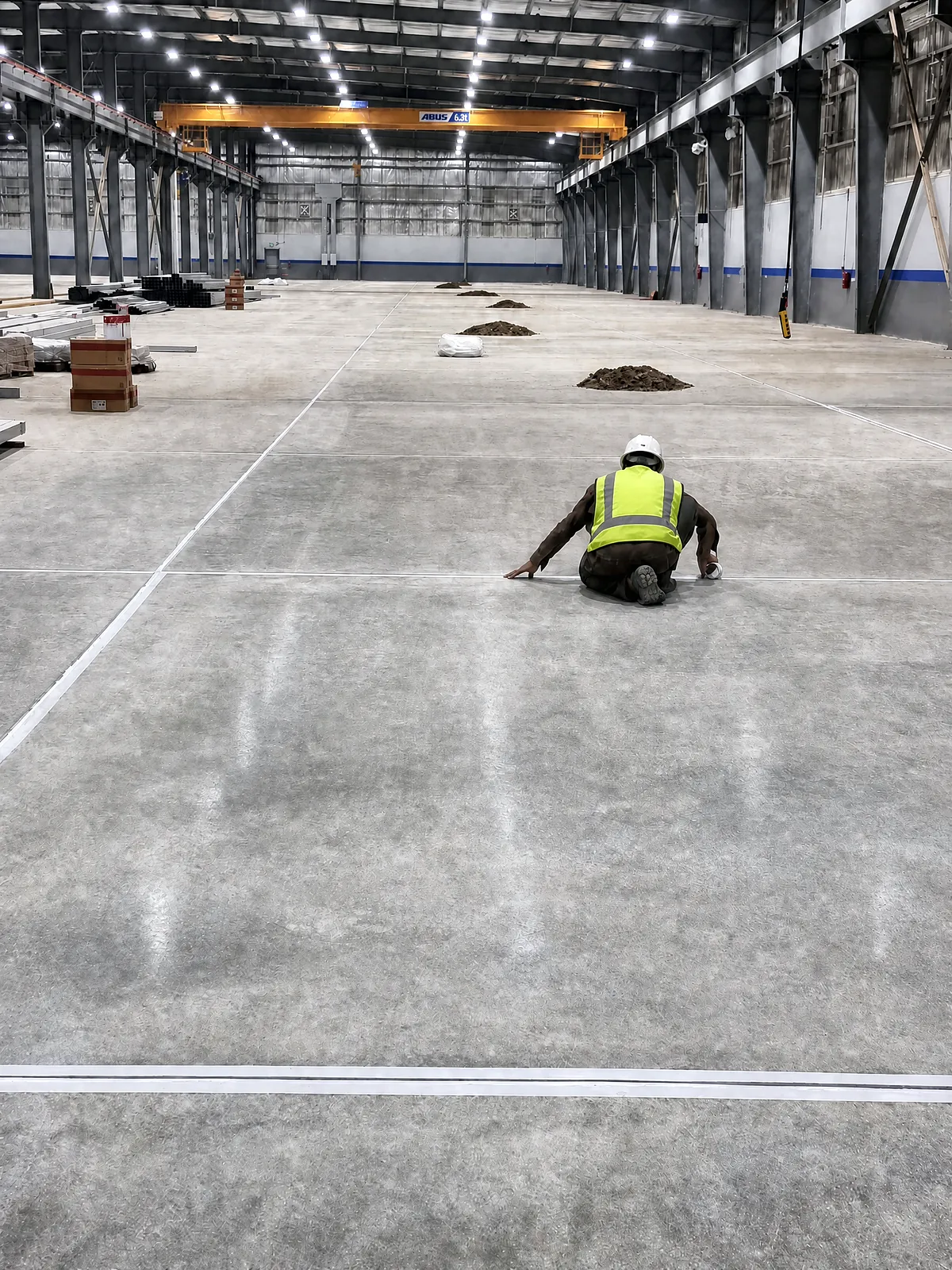
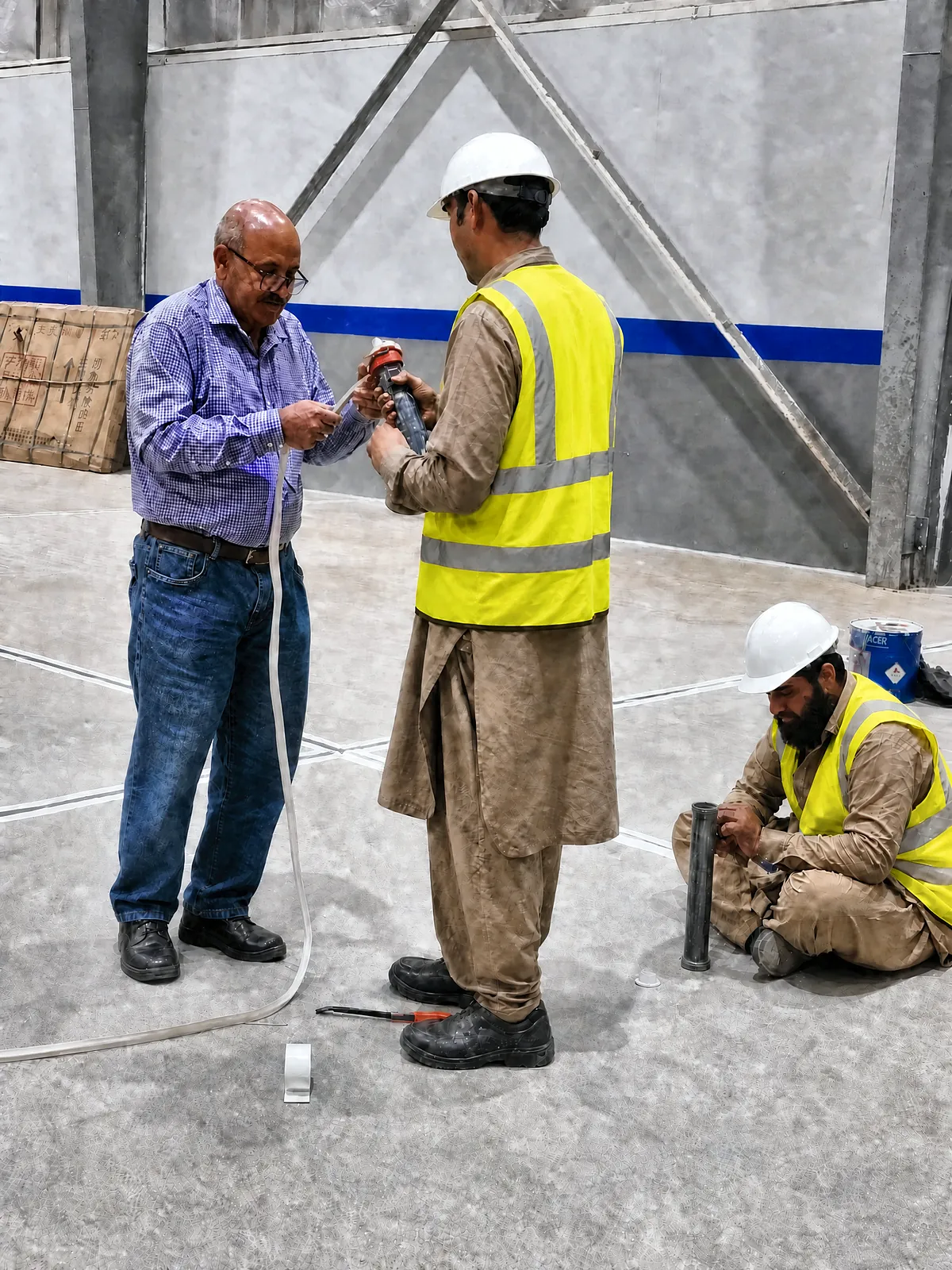
Real photos from our projects
On site
Executed references
From our projects

Riyadh International Convention & Exhibition Center
Riyadh Hotel & resort
InterContinental Abha
Abha, Asir Region Headquarters
Al Rajhi Headquarters
Al-Ghadeer, Riyadh
Othaim Mall
Prince Sultan Air Base
Al Rajhi Warehouses
Hotat Sudair
Meyar projects
Riyadh and other sites

Go deeper
Technical references
- Elastomeric sealant
- Backer rod
- Joint waterproofing tape
Before you ask
Questions
What is the difference between an expansion joint and a construction joint?
An expansion joint is designed to move and take the structure’s expansion and contraction, so it gets an elastomeric sealant or a profile. A construction joint is where a pour stopped and restarted; it is not meant to move, and is treated during construction — or injected if it leaks.
Do you treat expansion joints?
Yes — in roofs, floors and car parks — with a flexible sealant, a waterstop and a metal cover plate, depending on the joint type and its movement.
How are pipe penetrations through a roof sealed?
The pipe is cleaned and prepared, then a suitable collar or sleeve and reinforcement go around it, and the membrane is taken up the pipe high enough and secured with a clamp and sealant. Penetrations that are too close together are grouped or spaced so they can be sealed.
Why does water leak around roof and floor drains?
Because the membrane is not clamped into the drain flange, the drain body sits above the waterproofing level, or there is no reinforcement around it. That is why drains made for the waterproofing system are used, and the area around them is flood-tested.
Next step
A leaking or damaged expansion joint?
Send photos of the joint, its width and location so we can define the treatment, or request a quote for a new project’s joints.