


▽ PULiquid-applied & linings
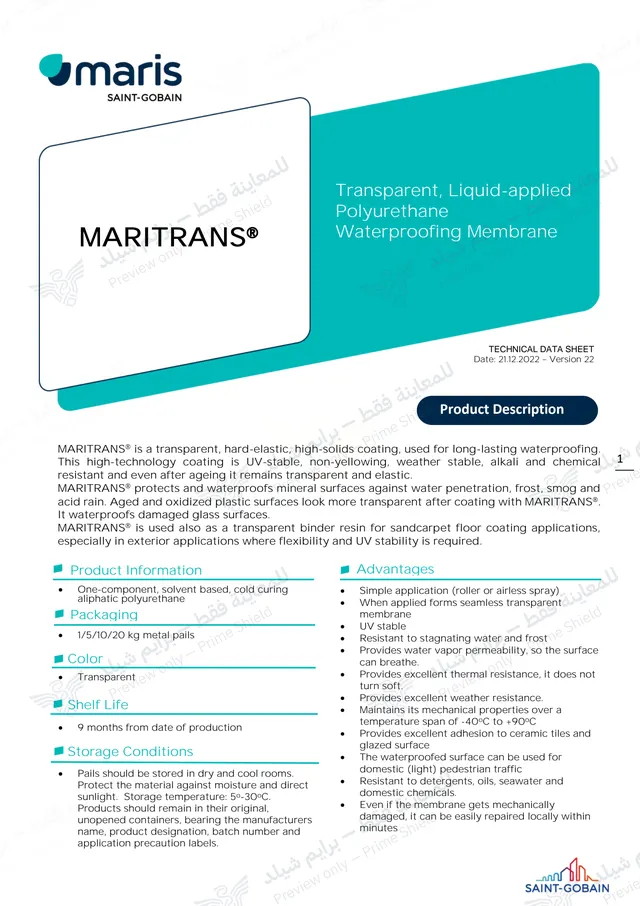
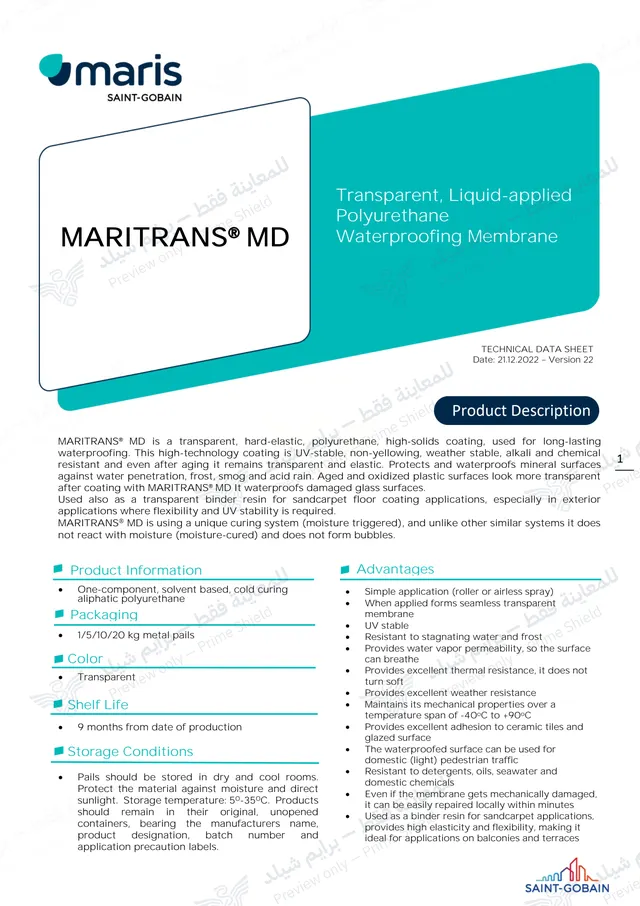
Clear polyurethane coating
A clear polyurethane film that keeps surface water out of tiles and stone without changing how they look.

What it is and how it works
A clear polyurethane coating forms a thin glossy or matt film over tiles, stone and fair-faced concrete, protecting them from surface water ingress while keeping their appearance.
It is often used to treat leaking tiled roofs and terraces without removing the tiles, once they are confirmed sound and their joints filled. UV and abrasion resistance vary by product.
PU
- Family
- Liquid-applied & linings
- Used in
- Roof waterproofingFacades
- Build-up
- 3 layers
Where it fits — and where it does not
A good fit for
- Tiled roofs and terraces where the tiles must stay
- Stone and fair-faced concrete
- Balconies and walkways with light traffic
- Stone and concrete facade surfaces
Not a fit, or needs a check
- Hollow, cracked or loose tiles: fix them first
- Structural cracks or moving joints
- Water under pressure or ponding for long periods
- Heavy-traffic areas
Application pages
Advantages and limitations
Every system has strengths and limits; the right choice starts from the site conditions.
Advantages
- Keeps the existing finish visible
- No demolition; quick to apply
- Easy to renew
Limitations
- A thin film, not a substitute for a full membrane
- Depends on sound tiles and filled joints
- Needs periodic renewal on exposed surfaces
System build-up
Top to bottom. Final thicknesses and materials follow the approved specification and the product TDS.
System build-up3 layers
Clear polyurethane coating
Select a layer to see what it does.
Clear PU coatingCore layer
A continuous clear film that stops surface water while keeping the finish visible.
Clear primer
Used where the product or the porosity of the surface requires it.
Per product
Existing tiles or stone
A clean, dry surface with sound tile joints.
Preparation and application
Surface preparation
- Tiles surveyed by tapping; hollow tiles replaced
- Defective grout joints raked out and refilled
- Deep cleaning; oil, algae and old sealers removed
- The surface fully dry before priming
Application sequence
Repairs
Tiles and joints repaired; cracks sealed.
Cleaning
Washing and degreasing, then drying.
Clear primer
Where the system specifies one.
Coats
Thin, even roller coats within the recoat times.
Cure and return to use
Protected from rain and traffic until cured.
General educational content; final values and requirements follow the manufacturer’s TDS and the approved project specification.
Checks and common mistakes
Quality checks
- Tile soundness survey recorded
- Dryness confirmed before coating
- An even film with no whitening or runs
- Water test of the treated areas
Common mistakes
- Coating over hollow tiles and open joints
- Applying on a damp surface: whitening
- Coats too thick: bubbles and slow cure
- Expecting it to fix structural or moving cracks
Common questions
Will the coating change the look of the tiles?
It adds gloss or a matt film depending on the product; a trial area shows the result before the work.
How long does it last?
Durability depends on exposure, traffic and maintenance; plan periodic renewal as the manufacturer recommends.
Is a clear coating suitable for balconies and terraces?
Yes, if the tiles and grout are sound and water is getting in through the tiled surface. If the leak comes from a failed membrane under the tiles or from the details, a deeper repair is needed.
Technical data for this system
Next step
Considering this system for your project?
Send drawings or site photos; our engineers review the case and propose the right specification.