


▽ +09.00Falls, drainage & protection
Protection & drainage layers
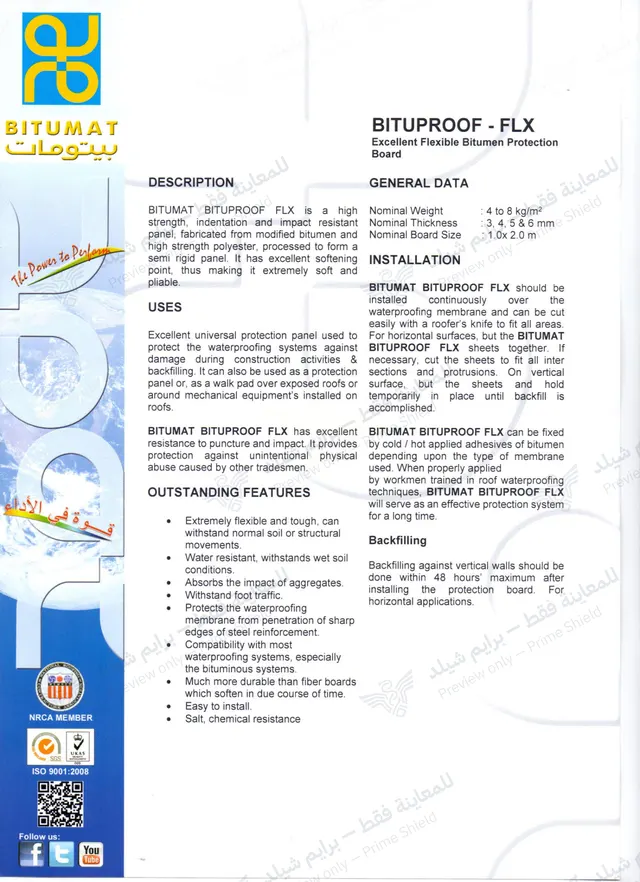
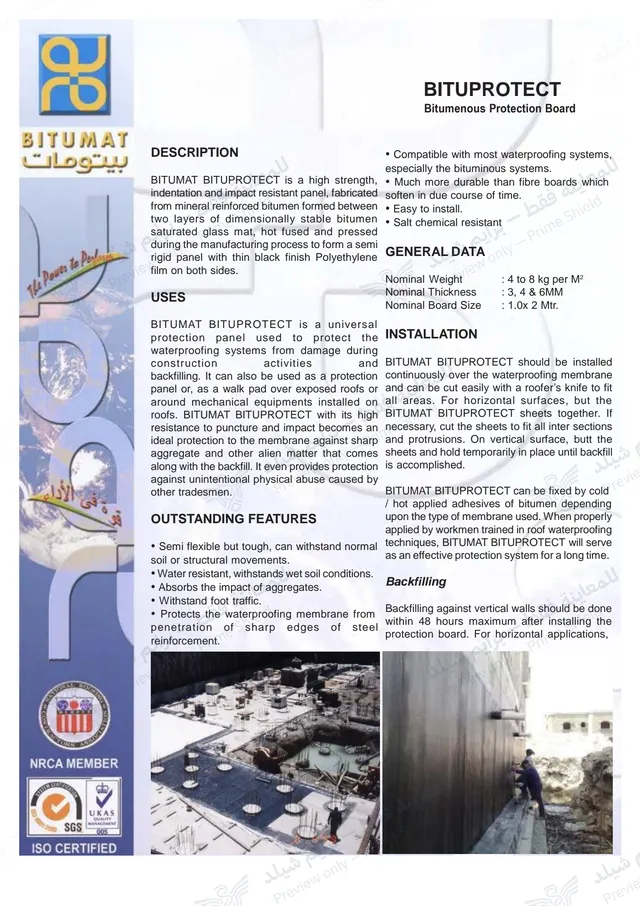
Protection boards, drainage and filter layers that shield the membrane in planters and buried walls.

What it is and how it works
Protection and drainage layers protect the membrane and take water away from it: protection boards or a root barrier over the membrane, then a drainage layer (dimpled sheets or gravel) that leads water to the outlets, then a filter geotextile that keeps fines from clogging the drainage.
They are used over planter and green-roof waterproofing, on basement walls before backfilling and on podiums. Good drainage relieves water pressure on the membrane; protection shields it from soil, roots and backfill.
- Family
- Falls, drainage & protection
- Build-up
- 6 layers
Where it fits — and where it does not
A good fit for
- Planters and green roofs
- Basement and retaining walls before backfilling
- Podium decks under landscaping
Not a fit, or needs a check
- Treating them as the waterproofing itself
- Drainage with no path to an outlet
- Leaving out the filter fabric where soil is in contact
Advantages and limitations
Every system has strengths and limits; the right choice starts from the site conditions.
Advantages
- Relieves water pressure on the membrane
- Protects against roots, backfill and tools
- Keeps planters draining
Limitations
- Adds layers and height
- Outlets need access for maintenance
System build-up
Top to bottom. Final thicknesses and materials follow the approved specification and the product TDS.
System build-up6 layers
Protection & drainage layers
Select a layer to see what it does.
Soil or backfill
The load the layers below protect the waterproofing from.
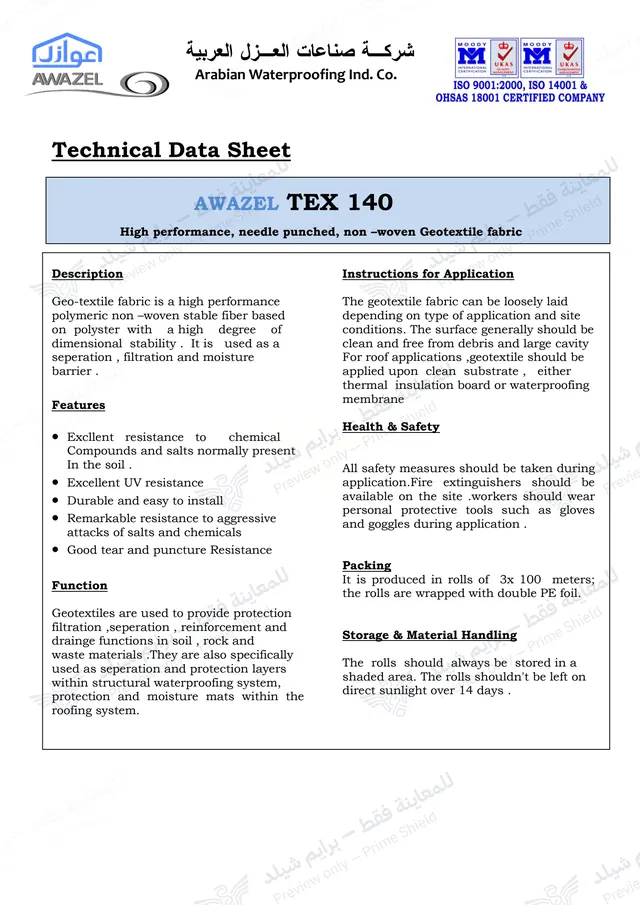
Filter geotextile
Stops fines from clogging the drainage layer.
Drainage layerCore layer
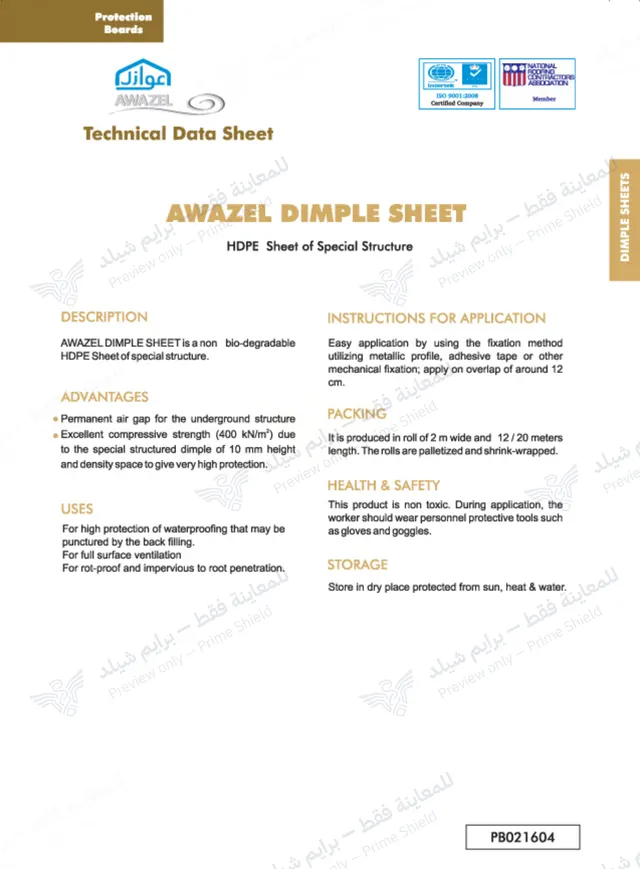
A dimpled drainage board or gravel that relieves water pressure on the waterproofing and leads it to the outlets.
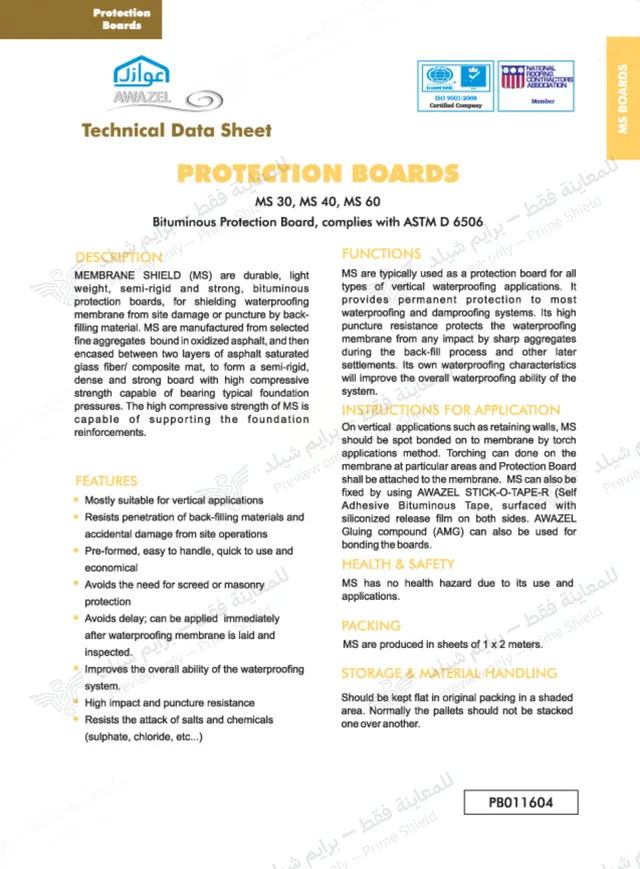
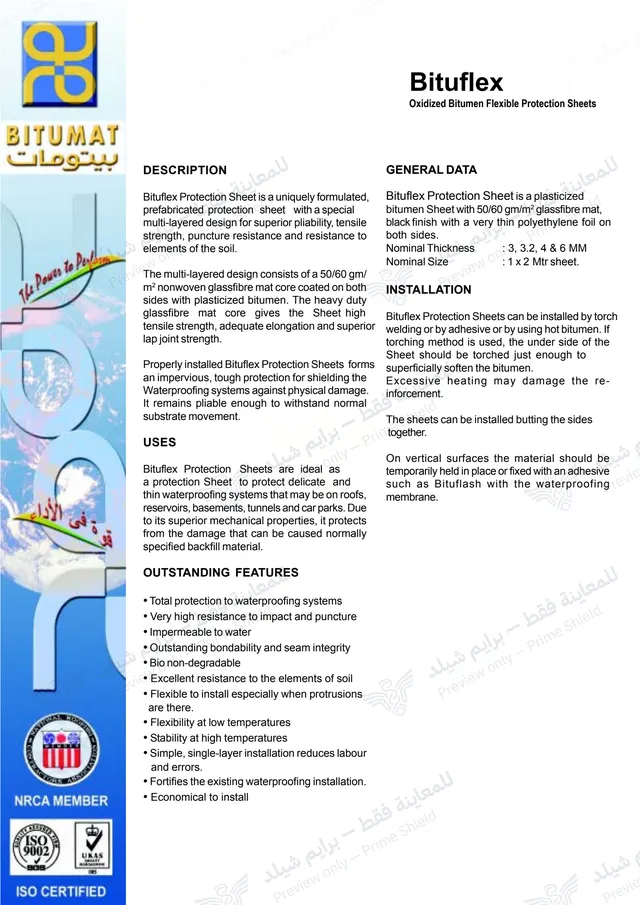
Protection board or root barrierCore layer
Shields the membrane from backfill, compaction and roots.
Waterproofing membrane
The watertight layer; drainage and protection never replace it.
Concrete structure
The planter floor and walls, or the buried wall.
Preparation and application
Surface preparation
- The membrane tested and accepted
- Outlets and inspection chambers in place
- Layer sequence confirmed with the landscape design
Application sequence
Protection and root barrier
Laid over the tested membrane with overlaps.
Drainage layer
Dimpled boards or gravel, connected to the outlets.
Filter geotextile
Over the drainage, turned up at the edges.
Soil or backfill
Placed carefully in layers.
General educational content; final values and requirements follow the manufacturer’s TDS and the approved project specification.
Checks and common mistakes
Quality checks
- Flood test of the membrane before covering
- Overlaps of the protection and filter layers
- Outlets connected and accessible
Common mistakes
- Backfilling straight against the membrane
- No filter fabric: the drainage clogs
- A drainage layer not connected to the outlets
Common questions
Is a root barrier always needed?
Under planting, yes — unless the membrane is certified as root-resistant.
Why do planters leak at the bottom?
Often blocked drainage keeps the membrane under water, which finds any weak detail.
Do membranes need a protection layer?
It depends on the type: some membranes are made to stay exposed to the sun, others are covered with a protection layer, tiles or backfill, as the specification sets out.
Next step
Considering this system for your project?
Send drawings or site photos; our engineers review the case and propose the right specification.