


▽ +06.00Pillar 03 · Building protection
Waterproofing & Building Protection
Water reaches a building from the roof, from the ground and from within. We start from the location and the water source — not from a product — then choose the system and test it before handover.

Engineering view
From the problem to the system
Waterproofing is not a product you buy but a system designed for its location: a roof under the sun, a basement under water pressure, a tank that needs a lining suitable for drinking water. Each location has the critical details where leaks start — parapets, drains, joints and penetrations.
That is why our pages start from the application: where the problem is, which systems exist, how to choose between them, and how the work is executed and tested. From there each system has its own technical page.

What sets the work apart
Engineered selection, documented execution
Engineered system selection
We start from the location and the water source, then the system — not the other way round.
Multi-system capability
Bituminous and synthetic membranes, liquid, cementitious and crystalline systems, injection and joints, thermal insulation.
Approved applicator
Approvals from manufacturers and suppliers in Saudi Arabia, with certificates you can view.
DetailsDocumented QA/QC
Every layer inspected and flood-tested before it is covered, with results in the quality file.
DetailsWarranty
Warranty according to the approved system, manufacturer recommendations and the project agreement.
Details

From our campaign
Water has limits.
A design from Prime Shield’s waterproofing campaign.
±0.00Waterproofing & Building Protection
Every drop meets one continuous membrane.
This is what the waterproofing systems we install do: one continuous layer that deflects the rain and leads it away from the building, from the roof down to the foundations.
- Waterproofing membrane: one continuous layer
- Rain runs off it to the drainage points
By application
Eight applications, each with its systems
Roof & envelope
Roofs & terraces
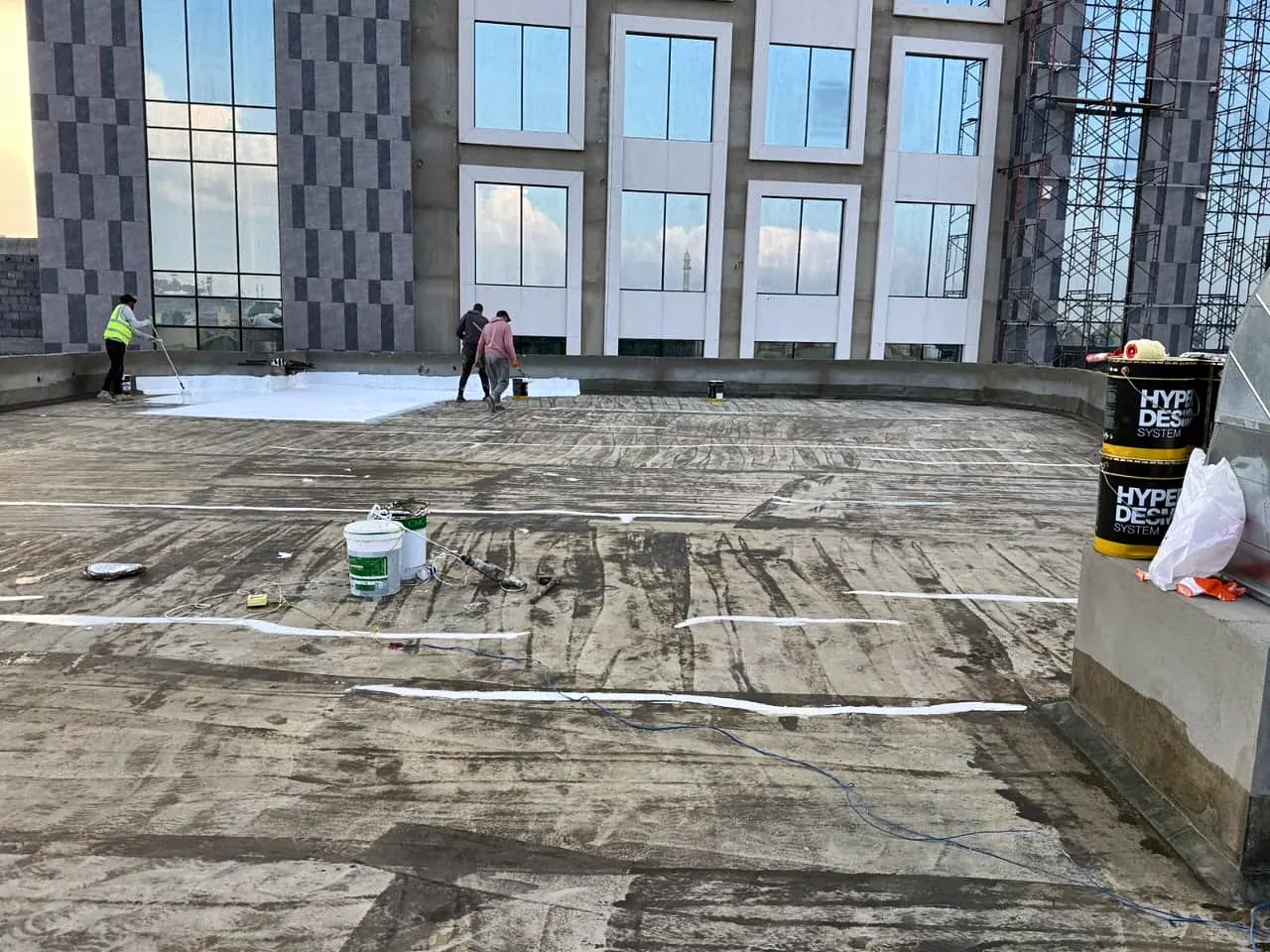
Concrete roofs, terraces, balconies, podiums and parapets, metal roofs, and the building facades.
Below grade
Basements & foundations
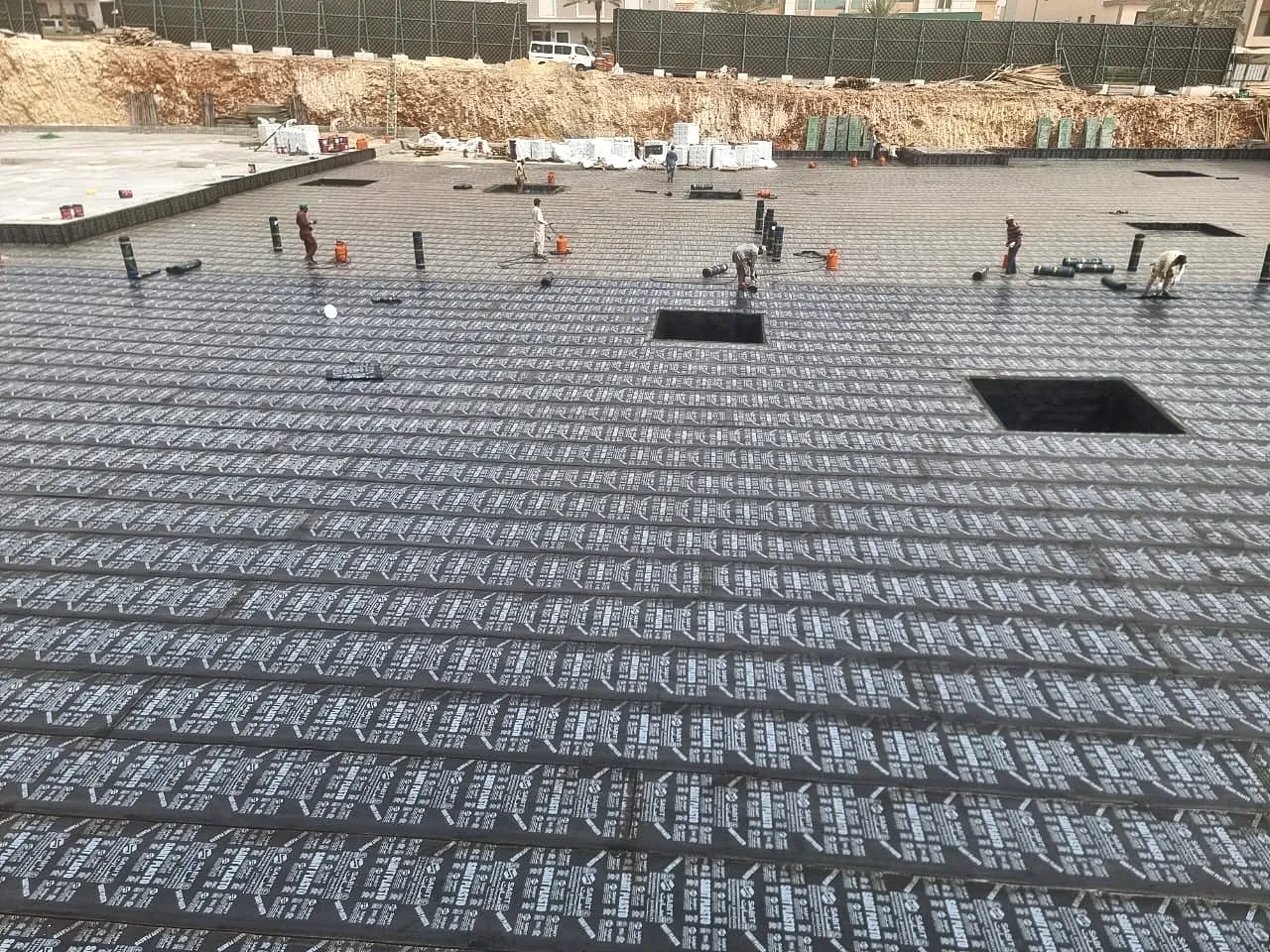
Basements, foundations, rafts, retaining walls, underground structures, lift pits and manholes.
Water-retaining structures
Pools & water features
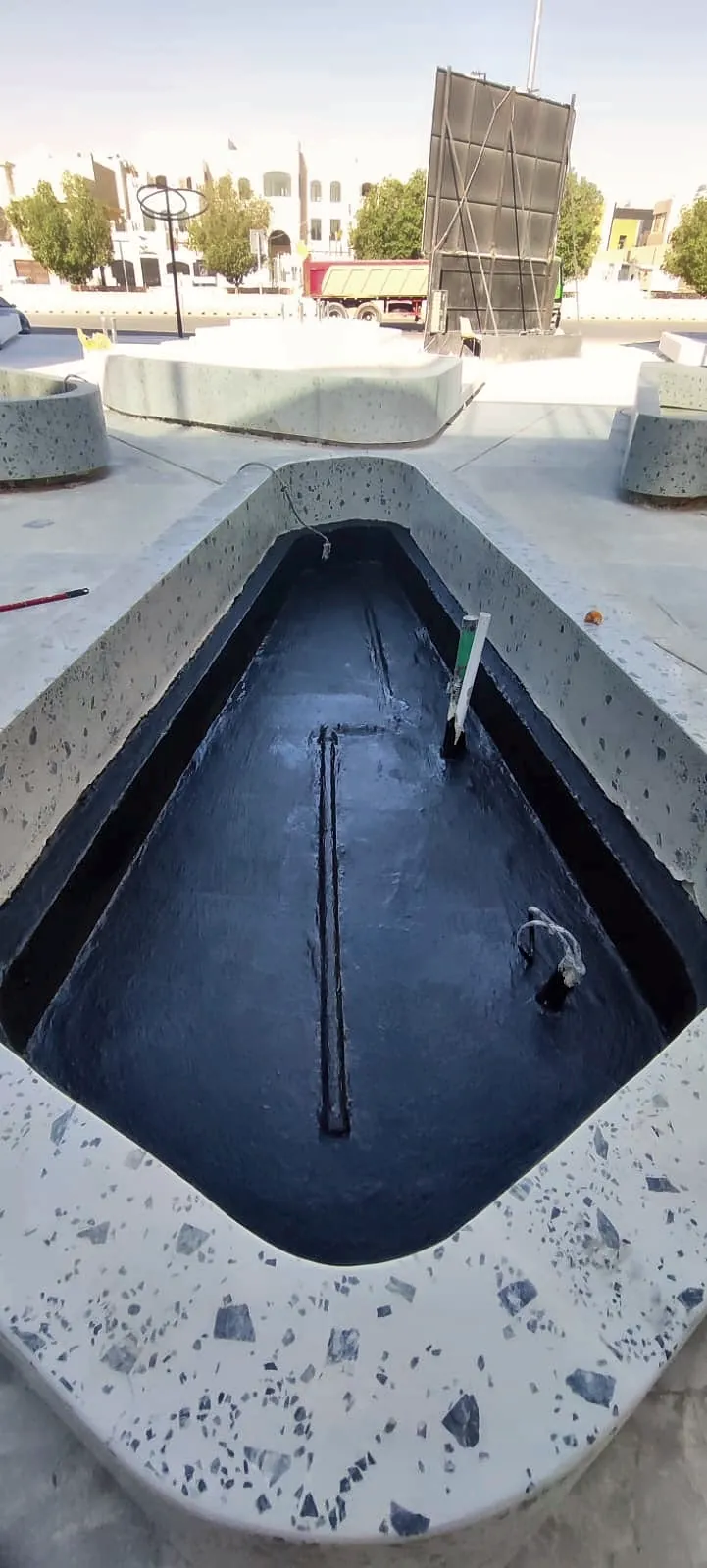
Swimming pools, fountains, lakes and water features.
Parking & traffic areas
Parking & traffic areas
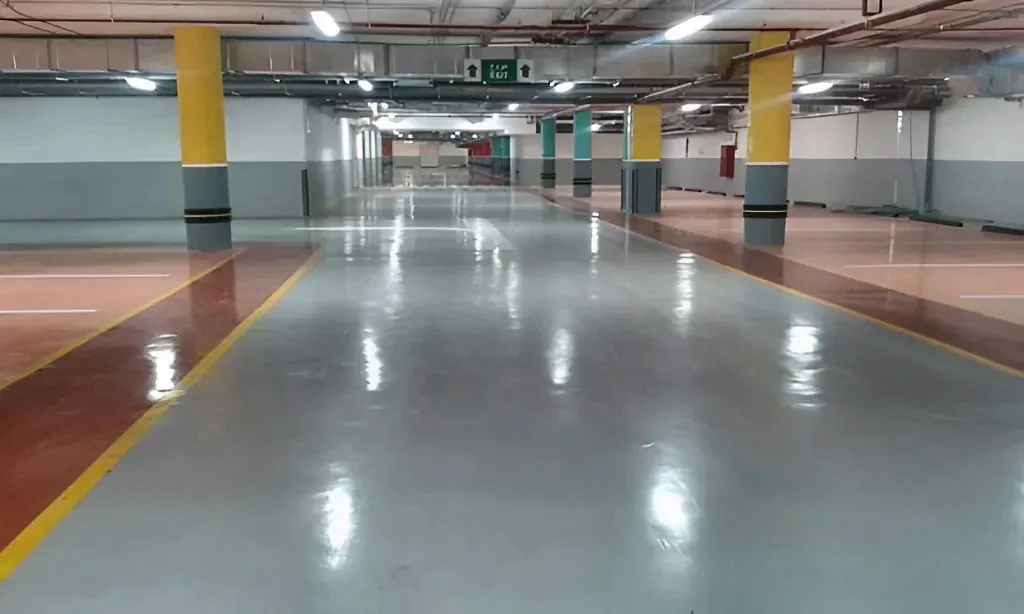
Parking decks, ramps, podiums and exposed parking areas.
Joints & penetrations
Joints & penetrations
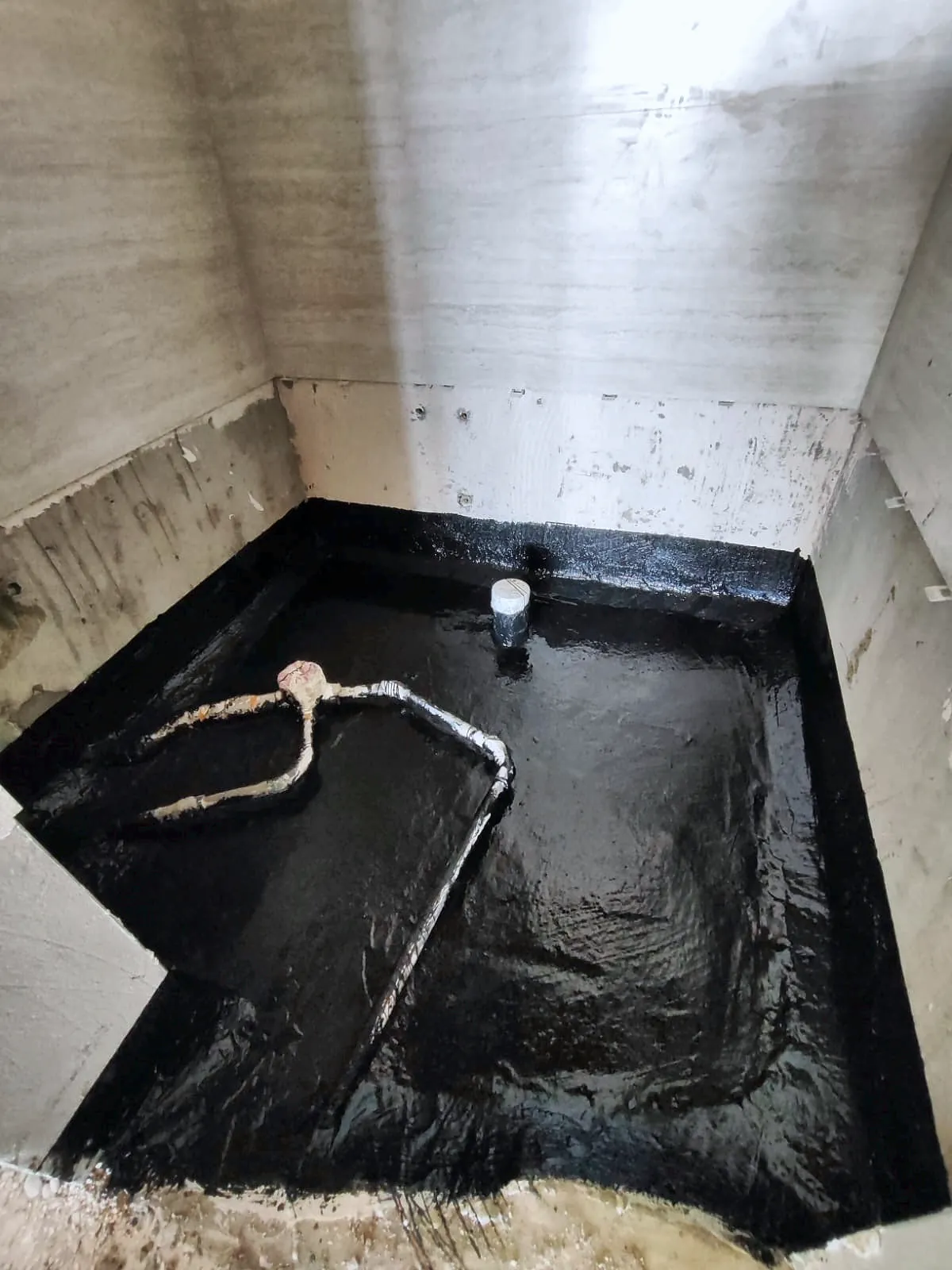
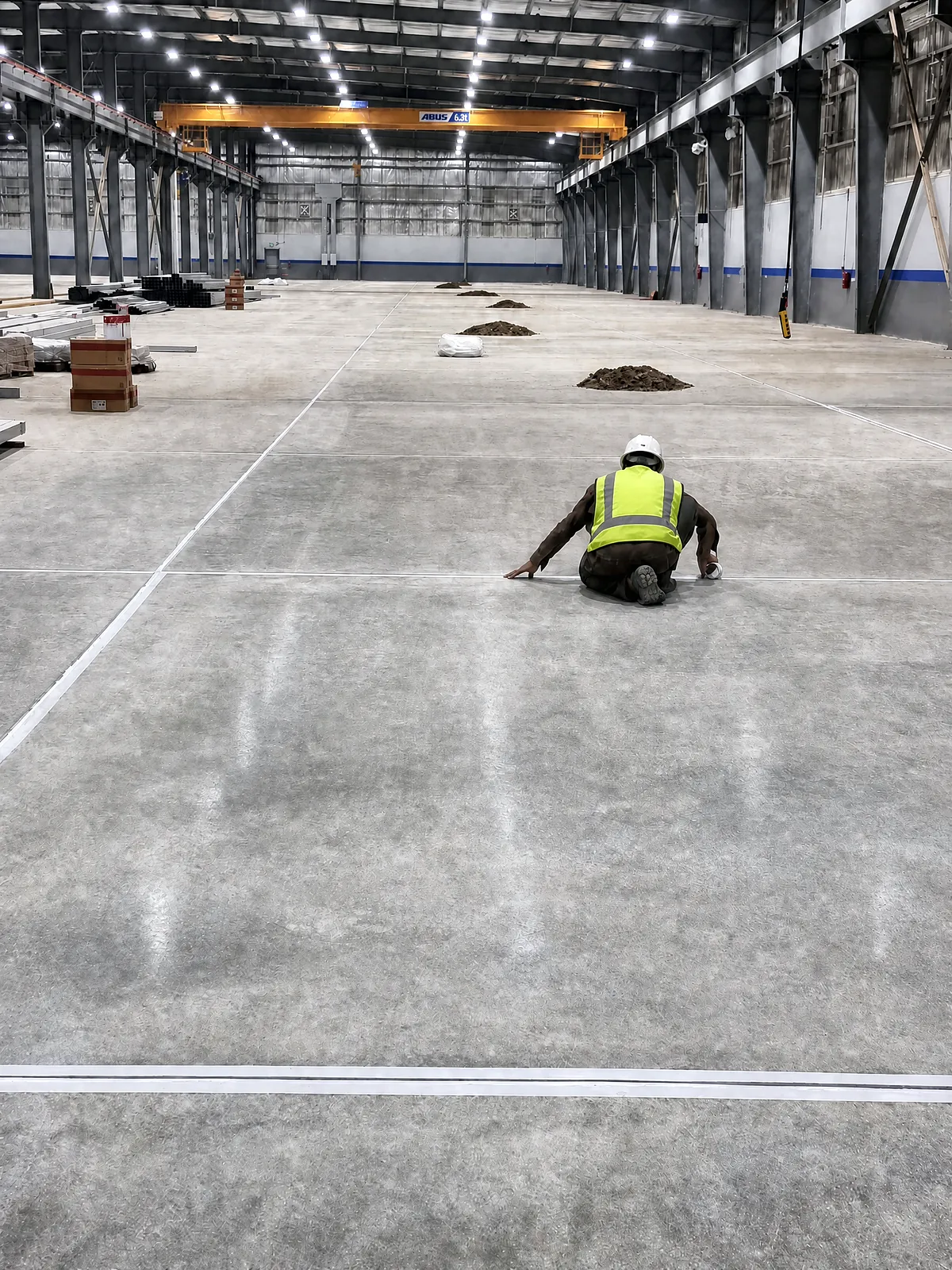
Expansion, construction, structural and movement joints, pipe penetrations and floor drains.

From problem to handover
How a waterproofing job runs
Nine fixed stages, from diagnosis to the acceptance report.
Problem
A damp patch, a leak, peeling — or a new project that needs the right system from the start.
Diagnosis
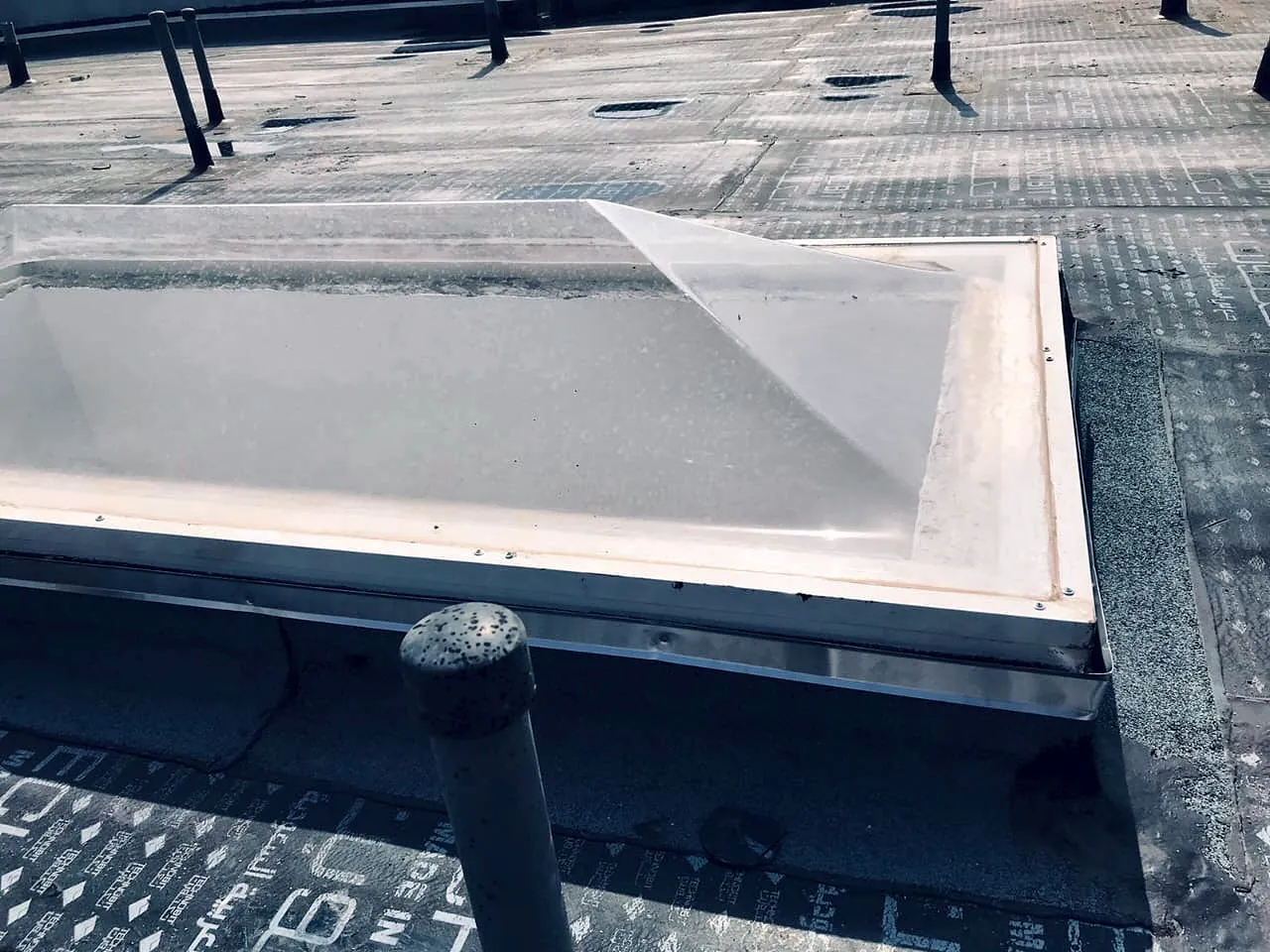
A site inspection to find the water source and its path, with moisture readings or a flood test where needed.
System selection
By structure, substrate, water side and the approved specification, with material data submitted before supply.
Substrate preparation
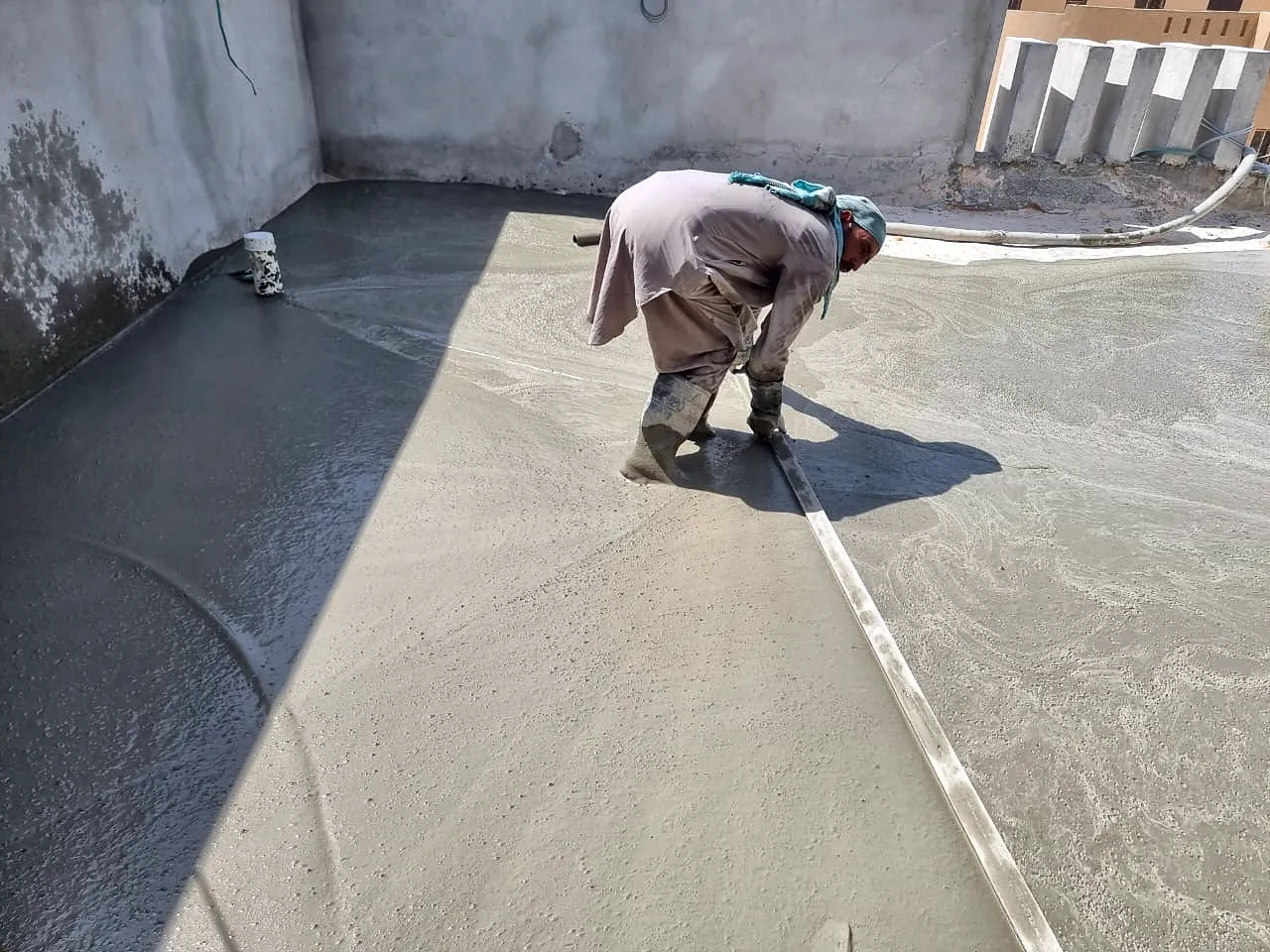
Cleaning, repairs and coving; falls and moisture checked.
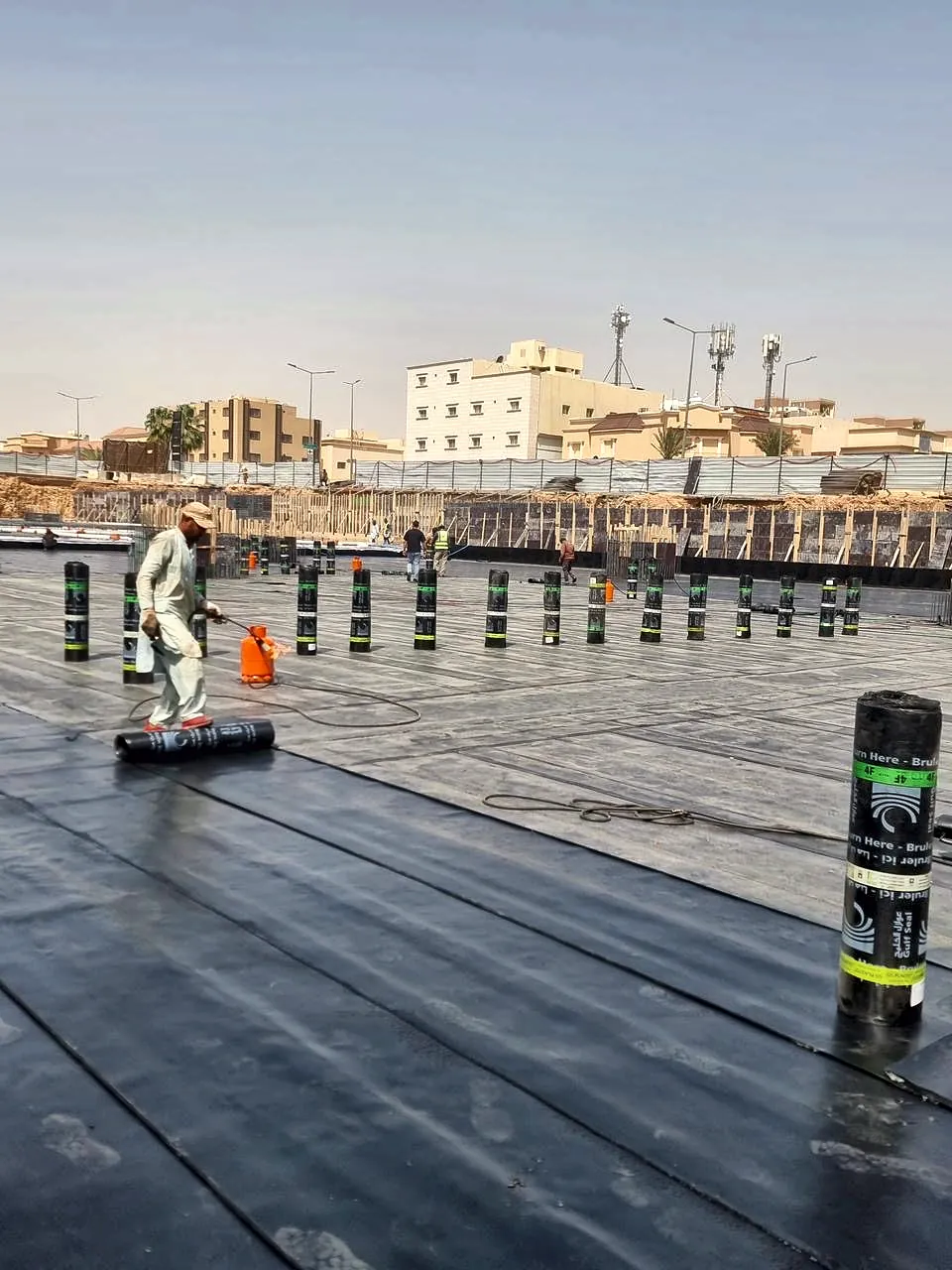
Application
Details first, then the layers in the sequence the TDS sets.
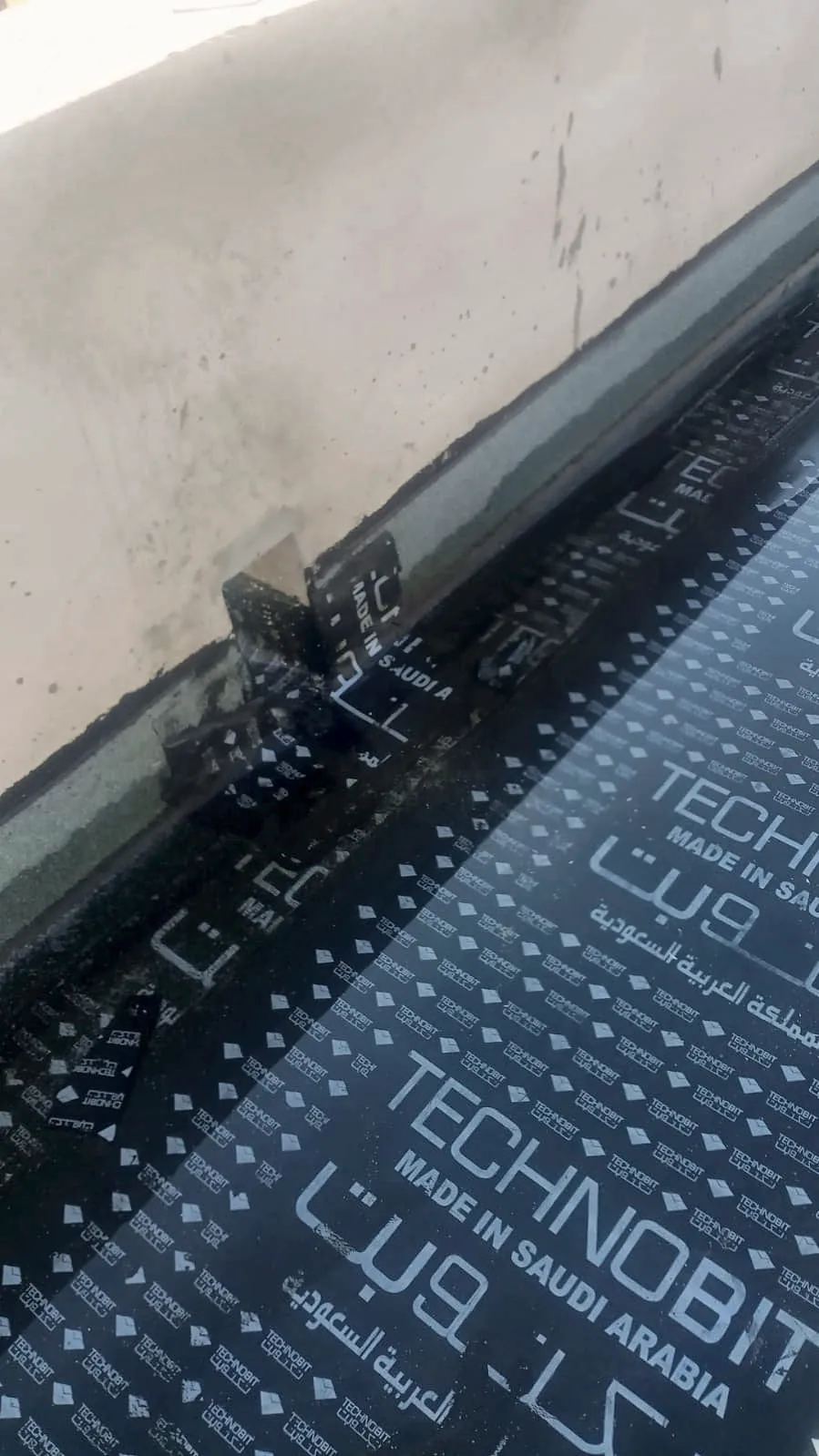
Inspection
Every layer inspected and recorded before the next.
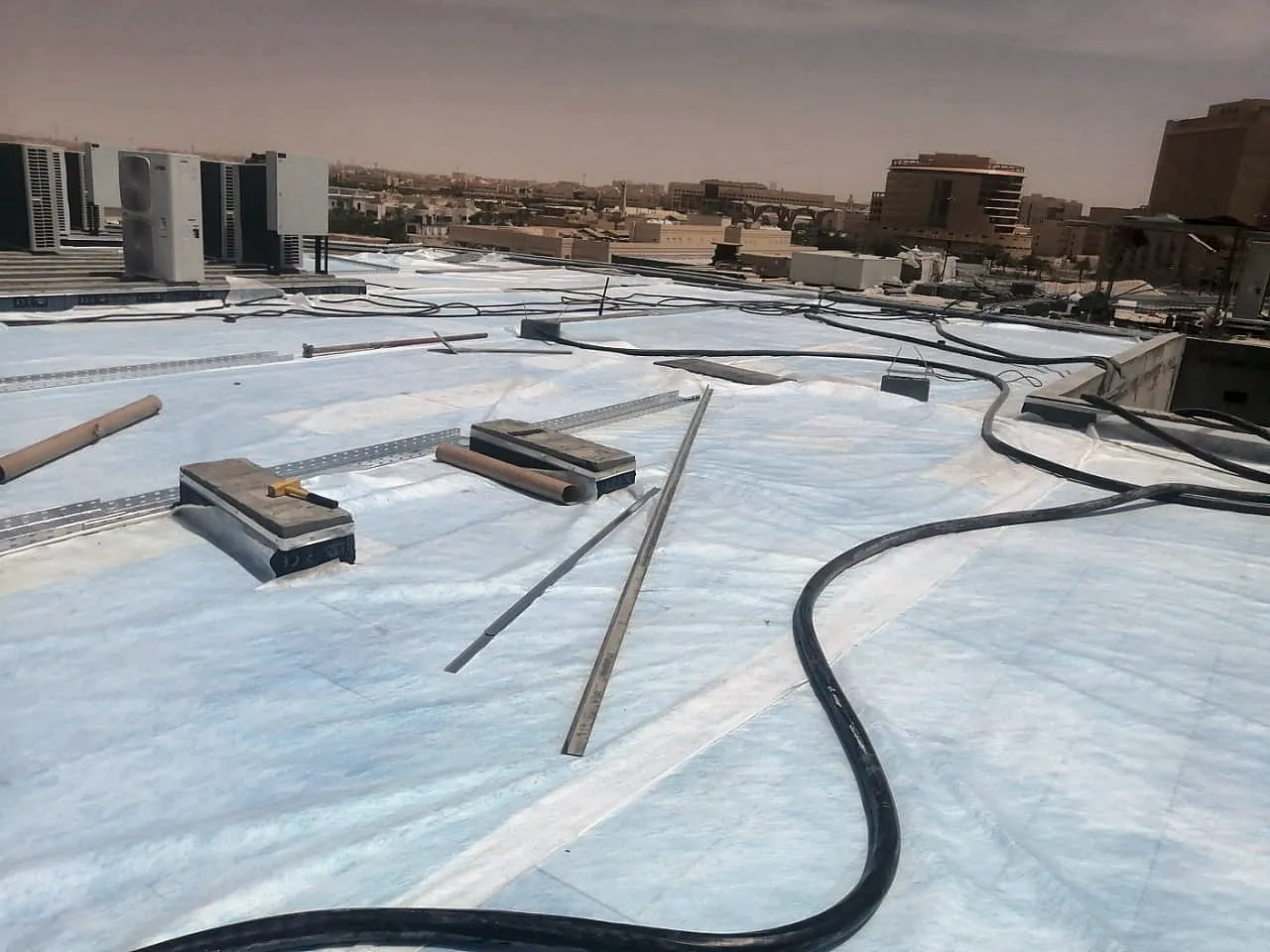
Testing
Flood tests for roofs, wet areas and tanks; adhesion and thickness tests where specified.
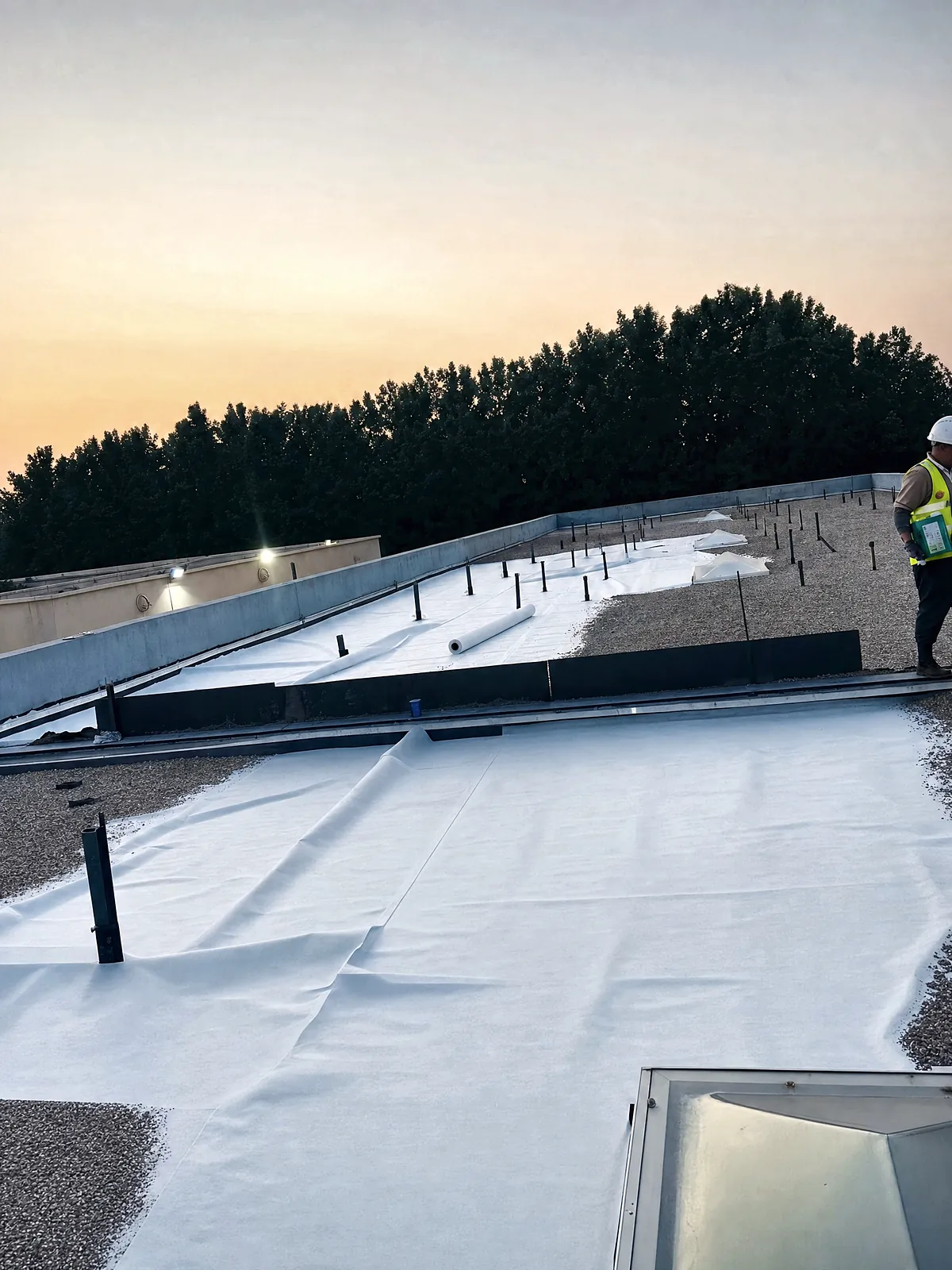
Protection
A protection layer so later trades do not damage the system.
Handover
An acceptance report and a quality file, with a warranty per the approved system.
By technology
Waterproofing technologies
Open a technology to see how it works, its limits and its layers.
Before you ask
Questions
Do you test the waterproofing before handover?
Yes. Roofs, wet areas and tanks are flood-tested, and the result is recorded in the quality file before the acceptance report.
How long is the waterproofing warranty?
There is no single period for every job. Warranty according to the approved system, manufacturer recommendations and the project agreement. Its terms are stated in writing in the offer and on the warranty certificate.
Do you inspect the site before pricing?
Yes — for repairs and existing buildings we start with an inspection to find the source and the right system. For new projects, the drawings and bill of quantities are usually enough.
Can you fix a leak in an existing building?
Yes. We start with an inspection to find the source, then propose a local repair or a new system, depending on the condition of the existing layers.
What is waterproofing, and why does a building need it?
Waterproofing is a continuous layer that keeps water out of the concrete and the spaces inside — on roofs, basements, tanks, pools and wet areas. It protects the reinforcement from rust and the finishes from damage, prevents damp and mould, and extends the life of the building.
How do I choose a waterproofing company in Riyadh?
Ask for what can be checked: approved-applicator certificates from manufacturers, a certified quality system, similar projects, material submittals and a method statement before work starts, flood tests and inspection records before handover, and a written warranty according to the approved system, manufacturer recommendations and the project agreement.
Next step
An active leak, or a new project?
Book an inspection so we can find the source and the right system, or send your drawings for a detailed technical and commercial offer.