


▽ +09.00Concrete repair & protection
Protective coatings (corrosion & chemicals)
Multi-coat systems that isolate steel and concrete from moisture and chemicals.

What it is and how it works
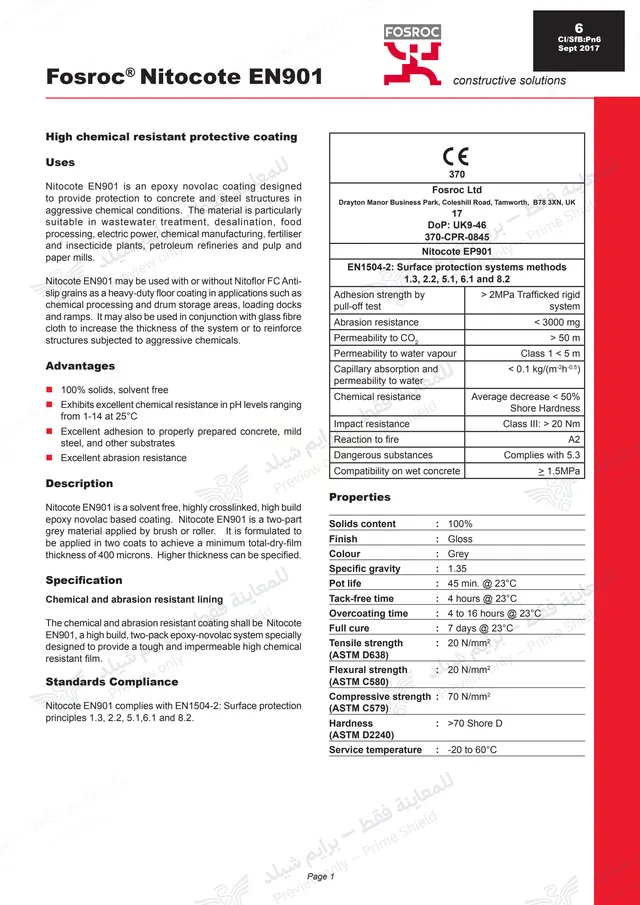
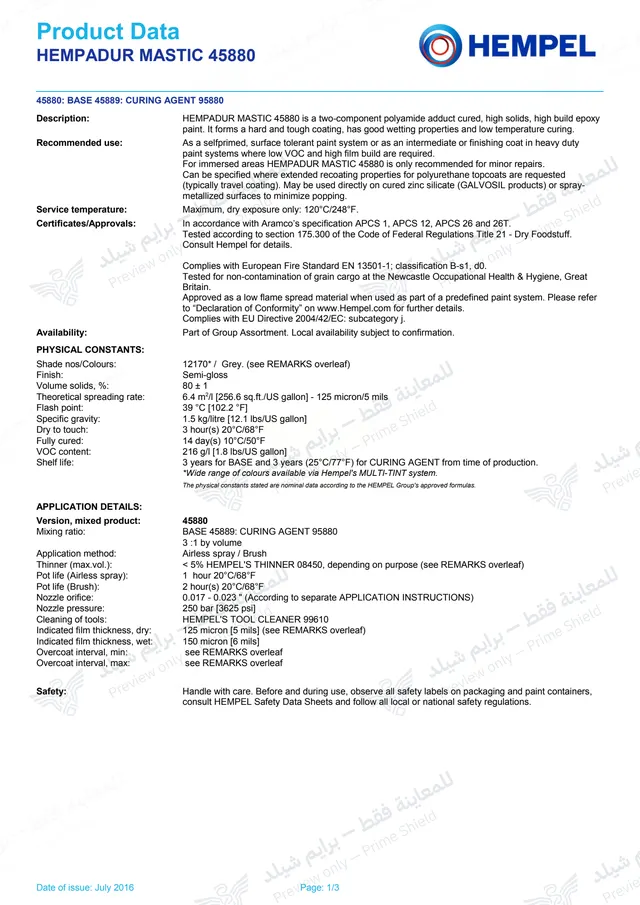
Protective coatings are multi-coat systems (primer, intermediate barrier coat, top coat) that protect concrete and steel from corrosion, chemicals and moisture in industrial and similar facilities.
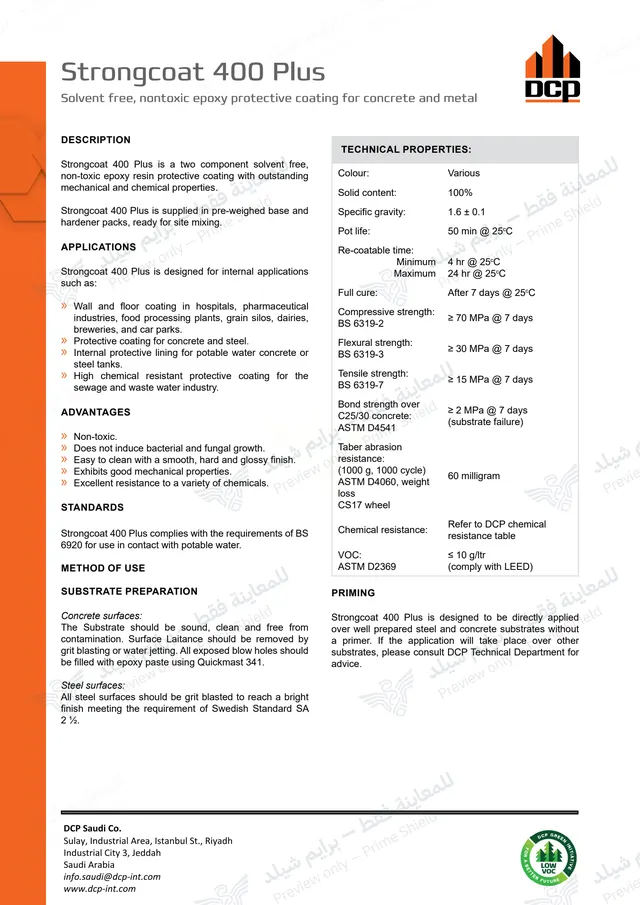
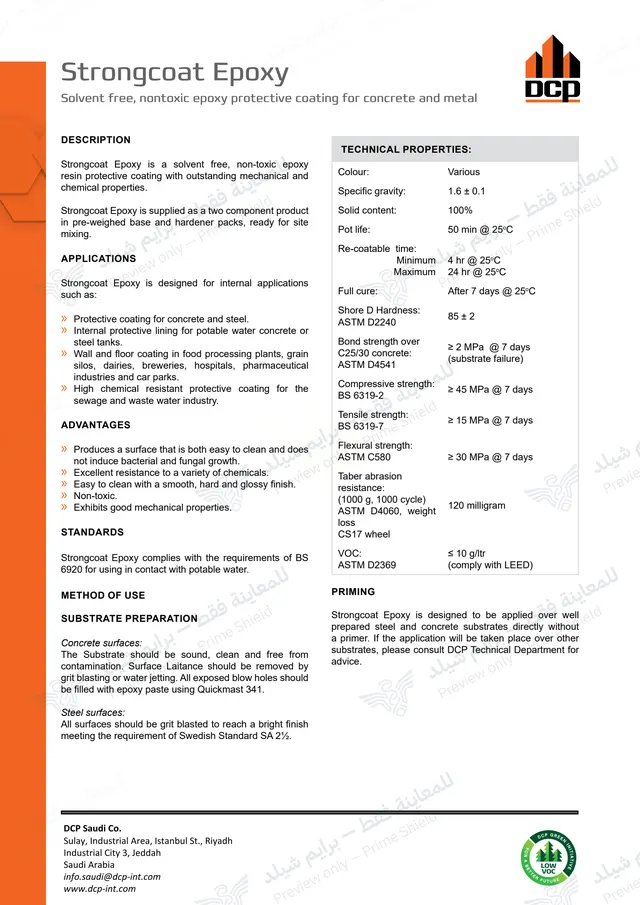
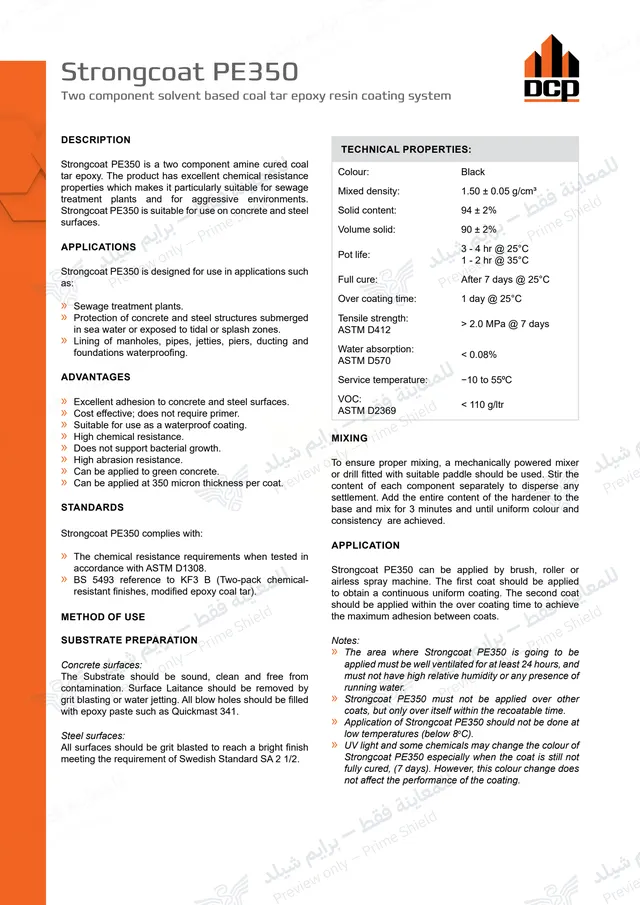
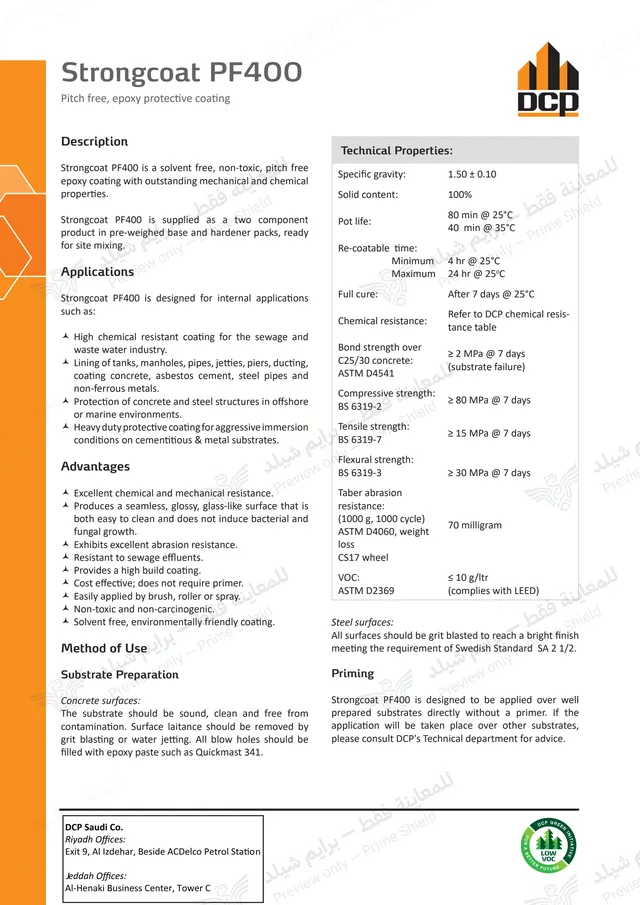
Selection depends on the environment (humidity, salts, acids, oils, heat) and the substrate. On steel, blast cleaning to the specified grade (e.g. ISO 8501-1) underpins the life of the system.
- Family
- Concrete repair & protection
- Build-up
- 4 layers
Where it fits — and where it does not
A good fit for
- Steel structures and equipment
- Industrial and chemical facilities
- Concrete in aggressive environments such as sumps and plant rooms
Not a fit, or needs a check
- Coating without proper surface preparation
- A system not rated for the actual chemical exposure
- Drinking-water contact without an approval
Advantages and limitations
Every system has strengths and limits; the right choice starts from the site conditions.
Advantages
- A barrier designed for a defined environment
- Keeps steel and concrete serviceable in aggressive environments
- Maintainable by recoating
Limitations
- Very sensitive to surface preparation
- Strict application conditions: temperature, humidity and dew point
- Needs inspection at every coat
System build-up
Top to bottom. Final thicknesses and materials follow the approved specification and the product TDS.
System build-up4 layers
Protective coatings (corrosion & chemicals)
Select a layer to see what it does.
Top coat
Resists UV, weather or chemicals, depending on the exposure.
Intermediate barrier coatCore layer
Builds the thickness that isolates the substrate from the aggressive environment.
Primer
An anti-corrosive primer for steel, or a concrete primer, depending on the substrate.
Prepared substrate
Steel cleaned of rust and oil, or mechanically prepared concrete.
Preparation and application
Surface preparation
- Steel: degreased and blasted to the specified cleanliness and profile
- Concrete: ground or blasted, repaired and checked for moisture
- Dust removed before priming
- Climate checked: dew point, humidity and temperatures
Application sequence
Preparation
As above, inspected and accepted.
Primer
Applied promptly after preparation.
Stripe coats
Edges, welds and bolts brushed.
Intermediate coat
The barrier coat, to the specified thickness.
Top coat
For chemical and UV resistance and colour.
General educational content; final values and requirements follow the manufacturer’s TDS and the approved project specification.
Checks and common mistakes
Quality checks
- Surface cleanliness and profile recorded
- Climate readings at every coat
- Dry-film thickness of every coat
- Holiday test for immersion service
Common mistakes
- Flash rust between blasting and priming
- Missing the stripe coats on edges
- Overcoating outside the recoat window
- Coating without a safe margin above the dew point
Common questions
How is the coating system chosen?
From the exposure (chemicals, immersion, UV, heat), the substrate and the required life; the manufacturer’s system data sheets set the coats and thicknesses.
How does a protective coating differ from ordinary paint?
Ordinary paint gives colour and looks; a protective coating is a system with specified layers and thickness that shields concrete or steel from corrosion and chemicals, checked by thickness and adhesion measurements.
How is steel prepared before a protective coating?
By removing rust, mill scale and oil to the cleanliness grade the specification sets — often by blasting — then priming straight away, before rust returns.
Next step
Considering this system for your project?
Send drawings or site photos; our engineers review the case and propose the right specification.